
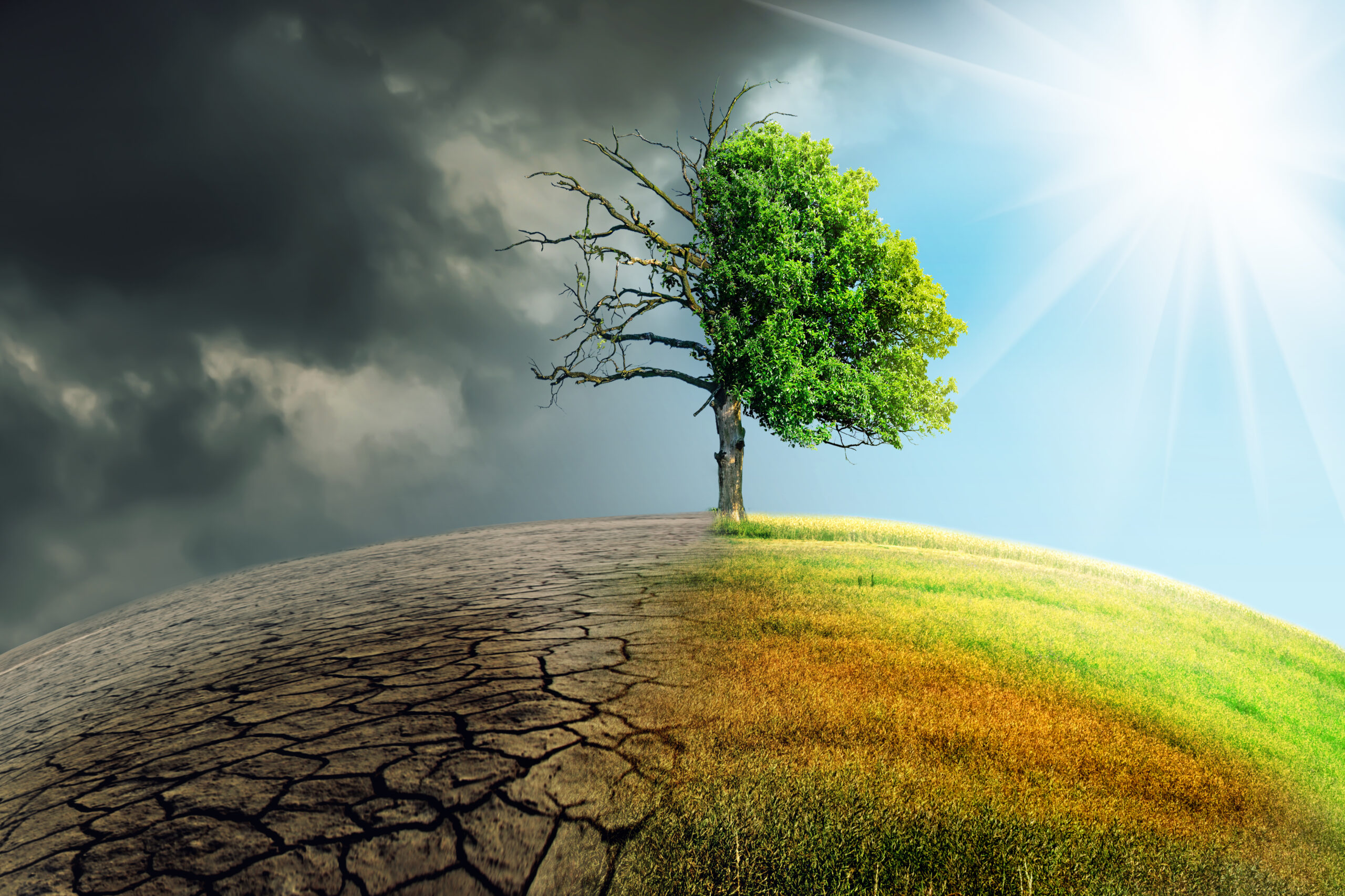
Imagine entire communities moving not because they want to, but because they have to. Climate change is quickly reshaping our world, and for many people, staying in their homes is becoming a distant dream. Rising sea levels, harsher droughts, and unpredictable storms are making certain places less livable every year, pushing people to pack up and leave.
Experts predict that by 2050, up to 1.2 billion people could be displaced due to climate impacts. These aren’t just numbers—they represent real people facing a difficult reality. This article dives into the predictions for our climate future and explores which regions are most at risk for mass migration. From small island nations to urban centers in developing countries, we’ll look at the looming challenges and what might be done to help those caught in the path of climate change.
How Climate Predictions Point to a Migration Crisis
To see why climate change might force so many people to move, let’s look at the science behind these predictions. Scientists use climate models—basically, advanced simulations—to forecast how things like temperature, rainfall, and sea levels will change over time. These models rely on years of data and reveal the patterns that give us a glimpse into the future.
But it’s not just about numbers. When scientists study these models, they’re seeing real-life consequences. Rising sea levels threaten to swallow coastlines, and severe droughts are already drying up farmland in some areas. For the people living in these places, that could mean losing their homes, jobs, and access to basic needs like food and water. Many will have little choice but to leave.
For example, some low-lying areas along coastlines are expected to experience frequent flooding, while other regions will face recurring droughts that make farming almost impossible. As more of these areas become unlivable, people may be forced to pack up and find somewhere safer. These climate predictions are painting a picture of what could be one of the biggest migration waves we’ve ever seen.
Global Hotspots of Climate Migration
Certain regions around the world are emerging as climate migration hotspots, where environmental degradation is driving mass displacement at alarming rates. Vulnerable due to geographic exposure, socio-economic challenges, or both, these areas serve as critical case studies for understanding how climate change forces entire populations to move.

1. South Asia: Rising Seas and Floods
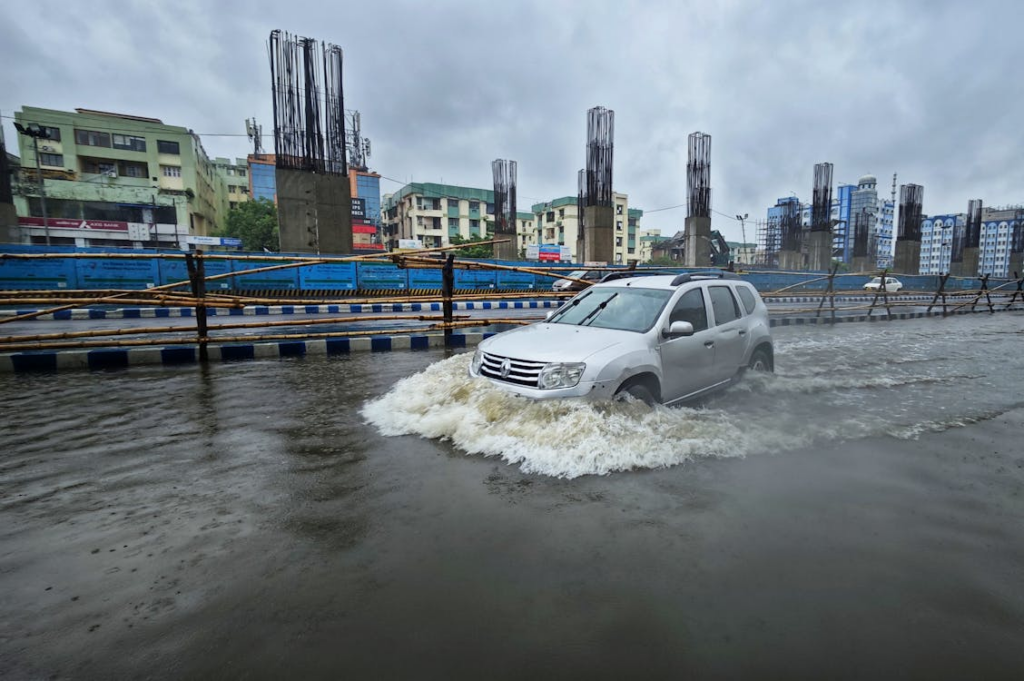
In South Asia, the impacts of climate change are severe, with flooding and sea-level rise posing significant threats. Bangladesh, for instance, sits less than five meters above sea level on average, making it highly susceptible to the encroaching waters. A study by the World Bank predicts that by 2050, around 13 million people in Bangladesh alone could be displaced by rising sea levels and intensified flooding. As the original article notes, “Bangladesh floods caused by cyclones have increased the salinity of 53 percent of farmland,” leading to crop failures and forcing farmers to either adapt or relocate. To counter these challenges, initiatives like the Dutch Salt Solution project are teaching farmers to grow salt-tolerant crops, though resources for such adaptive solutions remain limited.
Another South Asian country facing growing climate displacement is India. Severe droughts in central India have repeatedly led to crop failures, forcing many agricultural workers to abandon their farms and migrate to urban centers for employment. These shifts place considerable strain on India’s urban infrastructure, raising concerns about unplanned urbanization and the spread of informal settlements in flood-prone areas. Studies indicate that as many as 40 million Indians could be displaced by climate impacts by mid-century if current trends continue.
2. Sub-Saharan Africa: Desertification and Water Scarcity
Sub-Saharan Africa is another region heavily impacted by climate-induced migration, primarily due to desertification and water scarcity. In areas like the Sahel, rising temperatures and prolonged droughts have drastically reduced agricultural output and livestock survival rates. This phenomenon is particularly evident around Lake Chad, a vital water source that has shrunk by over 90% in recent decades. According to the United Nations, “When temperatures rise in a country, it can reduce water availability and water quality… This may increase the likelihood of drought leading to crop failures that will reduce incomes and food supplies.”
As arable land diminishes, communities in countries such as Nigeria, Niger, and Chad are compelled to move, either to urban centers or across borders in search of sustainable living conditions. The International Organization for Migration (IOM) warns that the Sahel’s environmental degradation, combined with socio-political instability, is fueling a migration crisis that affects millions. A study published by the Institute for Economics and Peace (IEP) underscores this, projecting that up to 86 million people in Sub-Saharan Africa could become climate migrants by 2050 if climate resilience measures are not put in place.
3. Pacific Islands: Sea-Level Rise and Coastal Erosion
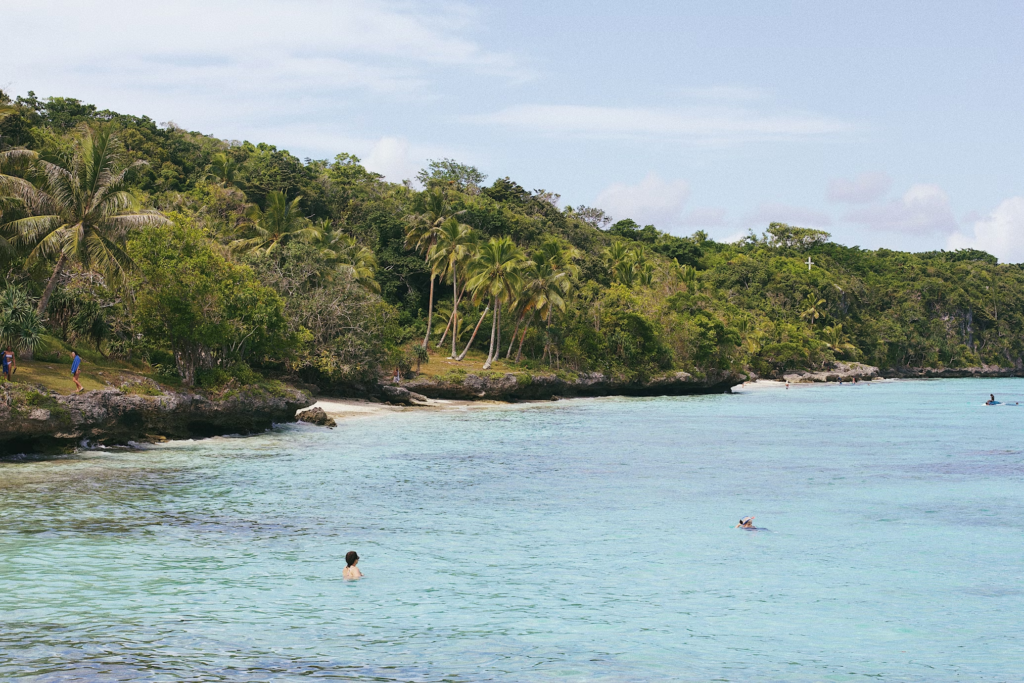
In the Pacific Islands, where much of the land is situated mere feet above sea level, climate migration is becoming inevitable. Countries like Kiribati and the Maldives are on the front lines, facing an existential threat as rising oceans steadily encroach on their territory. Kiribati’s government has even taken the extraordinary step of purchasing land in Fiji as a potential relocation site for its people, a stark indication of the seriousness of the situation. A report by the United Nations University suggests that the entire population of some low-lying island nations may need to relocate within decades if current sea-level rise projections hold true.
Efforts are underway to stabilize vulnerable land by planting fast-growing trees to slow down coastal erosion and reduce landslide risks. However, while helpful, these solutions don’t fully address the longer-term threat of rising seas for island nations.
4. Latin America: Drought and Agricultural Collapse
In Latin America, climate migration is driven by recurring droughts and the decline of traditional agricultural livelihoods. Countries such as Honduras, Guatemala, and El Salvador, which are part of the Central American “Dry Corridor,” face prolonged dry spells that have devastated crop yields. As livelihoods disappear, many residents are forced to migrate northward in search of stability and food security. According to the Intergovernmental Panel on Climate Change (IPCC), up to 17 million people in Latin America may be displaced by climate impacts by 2050, with the majority migrating internally or across borders.
In South America, the Andes region faces its own unique climate challenges. Melting glaciers, which have shrunk significantly over the past 40 years, threaten the water supply for cities and agricultural zones. A study conducted by the Andean Development Corporation found that over 30% of Andean glaciers have disappeared, jeopardizing the drinking water and irrigation sources for millions in Peru, Ecuador, and Bolivia. These changes, compounded by temperature increases and extreme weather, could lead to substantial rural-to-urban migration.
Understanding the Global Patterns
While these regions face unique climate pressures, the patterns of migration they exhibit reveal broader global trends. Resource scarcity, compounded by socio-political instability, drives people from rural areas to urban centers or across borders, often resulting in informal settlements with inadequate infrastructure. Rahman’s observation that “climate change knows no borders” aptly captures the interconnected nature of these challenges, underscoring the need for coordinated international responses.
What Happens When Climate Migrants Move In
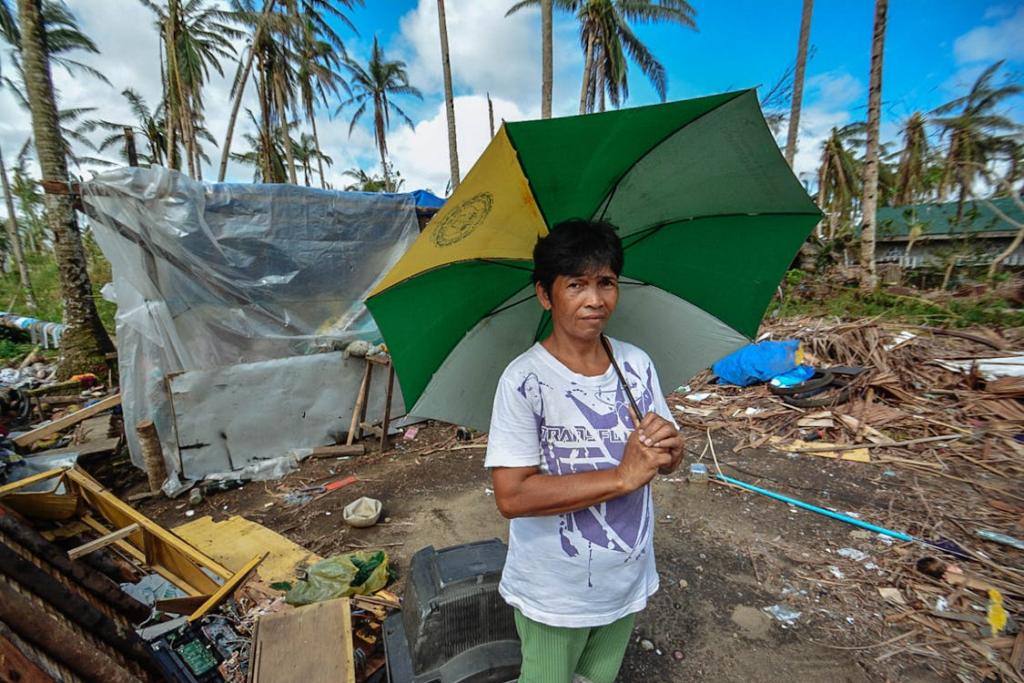
When people are forced to leave their homes because of climate change, they usually don’t go far—they head to nearby towns or cities hoping to start over. But when large numbers arrive at once, the places they move to can feel the impact in big ways.
Crowded Cities and Limited Resources
Imagine a city already dealing with limited housing, crowded schools, and busy hospitals. Now add thousands of newcomers who also need homes, jobs, and places for their kids to learn. Suddenly, everything feels squeezed. There aren’t enough houses, jobs become harder to find, and public services get stretched thin. When resources are tight, both locals and newcomers can start to feel the strain.
With so many new faces, some locals worry about how their town is changing. When people from different backgrounds mix, it can lead to misunderstandings. But it doesn’t have to. If cities get the support they need, they can help newcomers settle in and thrive, making communities stronger and more vibrant.
The Bigger Picture
The effects of climate migration can ripple out, especially in places already struggling. Competition over resources like land and water can create real tension. It’s a reminder that to handle climate migration, we need smart planning—policies that support both migrants and the communities welcoming them. With the right steps, we can help everyone have a fair shot at a safe, stable future.
The Legal and Humanitarian Gaps for Climate Migrants
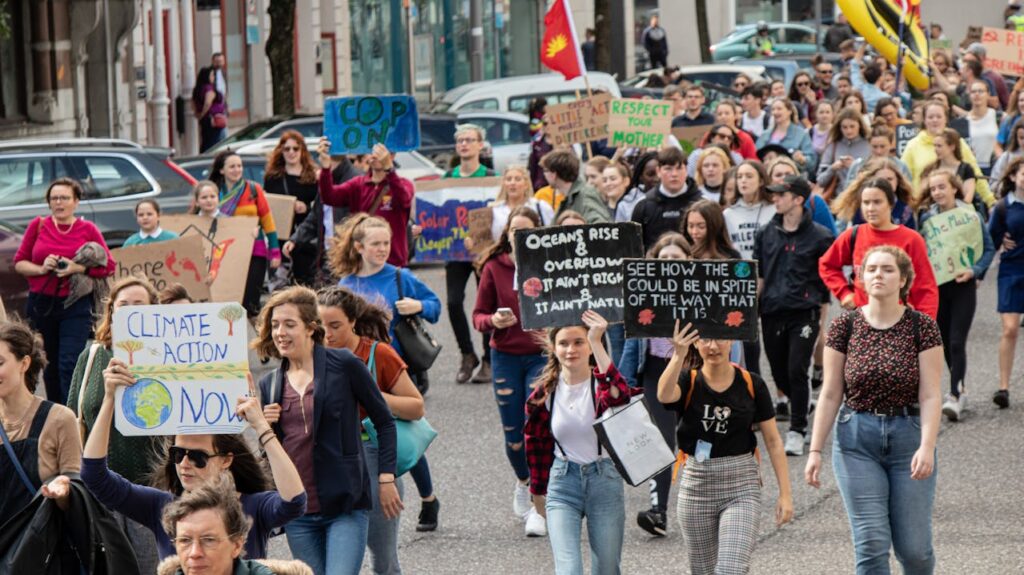
When people have to leave home because of climate disasters, they often find themselves with little support and few rights. Right now, most countries don’t recognize “climate refugees,” so people forced out by floods, droughts, or rising seas are often left without the legal protections that other refugees get.
No Official Status, No Help
Under current refugee laws, only people fleeing war or persecution qualify for certain protections, like asylum or legal residency. Climate migrants, however, don’t fit into those categories, which means they don’t get the same rights or support. For them, it’s like being stuck in a legal limbo—they’re escaping a life-threatening situation, but without official status, they’re often on their own.
Even within their own countries, many climate migrants face tough conditions. Some end up in makeshift camps or crowded areas with limited access to basics like clean water, food, and healthcare. With so many people in need, local resources often fall short, leaving migrants to live in challenging, sometimes unsafe, conditions.
As climate-driven migration grows, there’s a real need to rethink how we protect and support these migrants. Some experts suggest changing refugee laws to include climate migrants, while others push for new visa options or temporary protections. If nothing changes, millions will be left navigating an uncertain future—caught between a home they can’t return to and a new place that doesn’t recognize their need for safety.
Preparing for a Future of Climate Migration
As climate change reshapes the world, more people are finding they have no choice but to leave their homes. For some, it’s the rising seas; for others, it’s relentless droughts or devastating storms. And while the impacts are felt most immediately in certain hotspots, the ripple effect touches us all. From crowded cities to strained resources, climate migration is becoming an issue we all share.
To face this reality, we need to think ahead. This means updating our laws to protect climate migrants, supporting communities that welcome them, and helping at-risk areas adapt so people can stay if they choose. The way we respond now will shape the lives of millions and define how we handle the challenges ahead. With smart planning and compassion, we can build a future where everyone—whether staying put or starting fresh—has the chance at a safe, stable life.

