
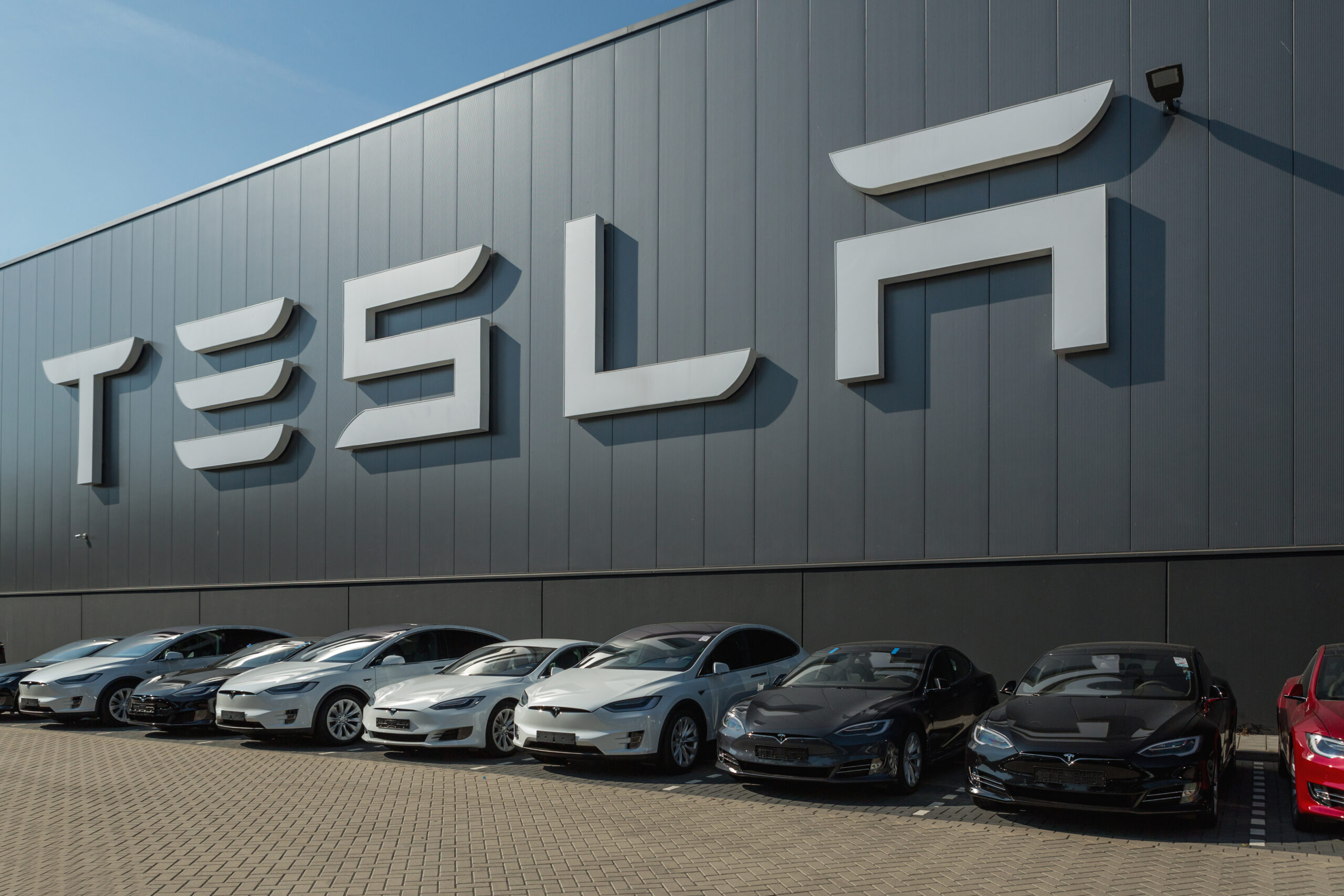
Tesla, a trailblazer in the electric vehicle market, has once again found itself at the center of a significant development. With nearly 700,000 vehicles now subject to a recall, the spotlight shines on an issue that could impact driver safety. As the company races to resolve this problem with its signature over-the-air software updates, questions arise about what this means for Tesla’s reputation and its commitment to innovation. What’s the full story behind this recall, and how does it fit into Tesla’s larger narrative of progress and challenges?
The Issue at Hand
Tesla has issued a recall for approximately 694,304 vehicles due to a malfunction in the tire pressure monitoring system (TPMS). This defect affects the 2017–2025 Model 3, 2020–2025 Model Y, and the 2024 Cybertruck, all of which are popular models in Tesla’s lineup.
The National Highway Traffic Safety Administration (NHTSA) identified that the TPMS warning light in these vehicles may fail to remain illuminated between drive cycles. This malfunction can prevent drivers from receiving critical alerts about low tire pressure, increasing the risk of accidents. Underinflated tires are a well-documented safety hazard, compromising braking efficiency, handling, and stability, while also raising the likelihood of blowouts.
Tesla plans to resolve the issue by providing a free over-the-air software update. Owners of affected vehicles are set to receive official notification letters by February 15, 2025, detailing the steps needed to apply the update.
Tesla’s Solution
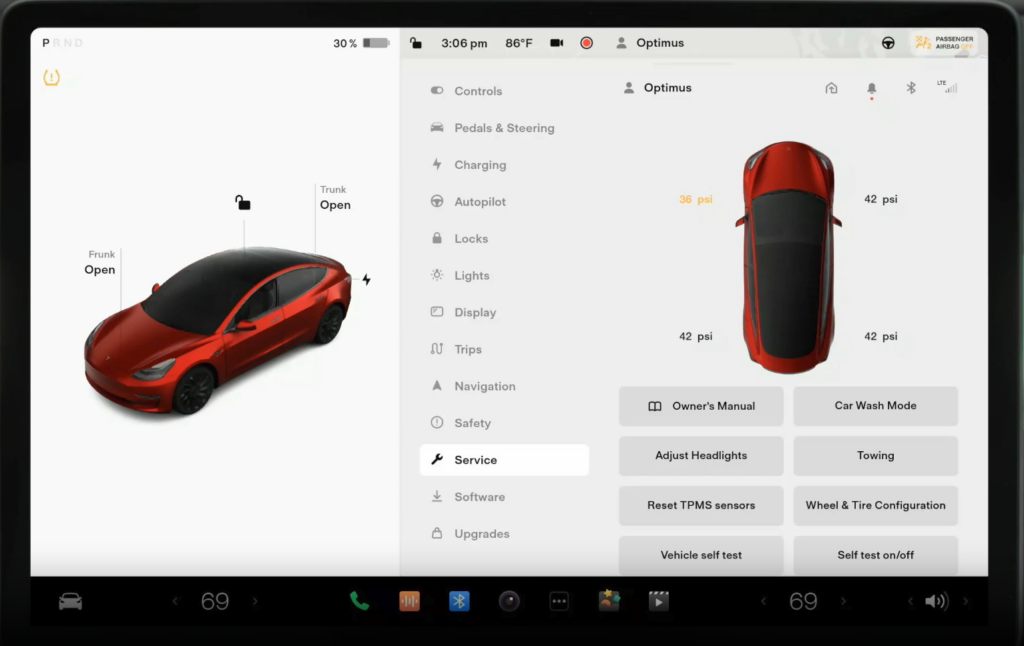
Tesla is addressing the tire pressure monitoring system (TPMS) malfunction through a free over-the-air (OTA) software update, enabling a swift resolution without requiring service center visits. This recall affects over 694,000 vehicles, including the 2017–2025 Model 3, 2020–2025 Model Y, and 2024 Cybertruck.
The OTA update will ensure that the TPMS warning light functions correctly, preventing potential safety risks associated with low tire pressure. Tesla has already notified its service centers about the recall, and vehicle owners will receive official instructions by February 15, 2025.

This streamlined approach demonstrates Tesla’s commitment to leveraging its technology for efficient problem-solving, though it underscores the importance of addressing quality issues proactively.
Affected Models and Numbers
Tesla’s recent recall affects approximately 694,304 vehicles, encompassing specific models across multiple production years. The National Highway Traffic Safety Administration (NHTSA) has identified that the tire pressure monitoring system (TPMS) warning light in these vehicles may not remain illuminated between drive cycles, potentially failing to alert drivers of low tire pressure and increasing the risk of a crash.
The affected models include:
- 2017–2025 Tesla Model 3: Tesla’s compact sedan, known for its range and performance, has been a significant contributor to the company’s sales volume.
- 2020–2025 Tesla Model Y: This compact crossover SUV combines functionality with electric efficiency, appealing to a broad consumer base.
- 2024 Tesla Cybertruck: Tesla’s futuristic pickup truck, notable for its distinctive design and advanced features, has garnered substantial attention since its unveiling.
Broader Recall Trends
Tesla’s latest recall adds to a series of challenges the company has faced throughout 2024, reflecting broader concerns about quality control and safety compliance. Among the most significant issues are the recalls involving Tesla’s highly anticipated Cybertruck. In April, nearly 4,000 Cybertrucks were recalled due to an accelerator pedal defect that could dislodge under high force, leading to unintended acceleration. Similarly, in November, 2,400 Cybertrucks were recalled for a faulty drive inverter that risked a sudden loss of drive power.
Beyond the Cybertruck, Tesla’s other models have not been immune to recalls. In July, nearly 1.85 million vehicles—including the Model 3, Model S, Model X, and Model Y—were recalled due to a hood latch defect that posed the risk of the hood unexpectedly opening during operation. Earlier in February, over 2 million vehicles in the U.S. were recalled due to inadequate instrument panel warning lights, which failed to provide sufficient visibility for critical safety alerts.
These incidents highlight recurring quality assurance challenges for Tesla, with recalls spanning a wide range of models and components. While the company’s innovative over-the-air updates have often enabled swift solutions, the frequency of these recalls raises questions about Tesla’s ability to prevent such issues during the production phase.
Implications for Tesla
Tesla’s recurring recalls, including the recent tire pressure monitoring system (TPMS) issue, have placed its quality control practices under intense scrutiny. The company’s reputation, once defined solely by innovation and technological breakthroughs, now faces challenges as safety concerns become a persistent narrative.
Critics argue that Tesla’s reliance on over-the-air (OTA) updates, while convenient, signals a reactive approach to addressing problems rather than a preventive one. This has fueled skepticism about the company’s ability to maintain rigorous quality assurance during production, a concern amplified by the sheer volume of recalls in 2024.
Financially, these recalls add strain to Tesla’s bottom line, especially as warranty claims and recall-associated costs accumulate. With competition intensifying in the electric vehicle (EV) market, Tesla must navigate these challenges carefully to retain its leadership position. Beyond immediate financial implications, the long-term cost may lie in waning consumer trust—a critical metric in a market increasingly flooded with EV alternatives.
As Tesla continues to grow, the balance between rapid innovation and stringent safety measures will determine its ability to sustain success and credibility in a competitive and demanding industry.
The Road to Improvement
Tesla’s tire pressure monitoring system recall highlights the complex balancing act of innovation and reliability in the automotive industry. While the company’s over-the-air (OTA) updates showcase its technical ingenuity, the frequency of recalls raises critical questions about its preemptive safety measures and production quality control.
For a company synonymous with pushing technological boundaries, these recurring issues underline the importance of aligning innovation with rigorous testing and quality assurance. Tesla’s ability to address safety concerns proactively—not just reactively—will be key to maintaining consumer trust and safeguarding its reputation in an increasingly competitive electric vehicle (EV) market.
As new entrants flood the EV space, Tesla faces heightened pressure to deliver not only cutting-edge technology but also vehicles that meet the highest safety standards. Moving forward, the company’s commitment to refining its processes and prioritizing reliability will determine whether it can continue leading the charge in revolutionizing transportation.

