
Have you ever dismissed a chilling story, brushing it off as an urban legend? Like the warnings whispered about the dangers of sitting on pool drains—surely too bizarre to be true. But what if the nightmare isn’t a myth? What if it’s horrifyingly real?
The physics of pool drains can turn an everyday swim into a catastrophic event. A force so strong it could eviscerate a human body. It sounds impossible—something plucked from the pages of horror fiction—but verified cases tell a much darker story. This isn’t just a cautionary tale; it’s a wake-up call.
For example, the tragic case of six-year-old Valerie Lakey highlights just how devastating these accidents can be. “Valerie’s injuries were severe,” explains the official report, “she lost 80% of her intestines.” These words alone carry the weight of an unimaginable reality—one that demands attention.

The Gruesome Reality: What Really Happens
The idea of a pool drain causing catastrophic injuries may sound like a plot twist in a horror movie, but it’s a grim reality backed by documented cases. Pool drains operate with powerful suction, designed to circulate water effectively. However, when something—or someone—gets too close to an uncovered or malfunctioning drain, the force can become deadly.
One of the most haunting examples is Valerie Lakey, a six-year-old whose life was permanently altered during a seemingly innocent day at the pool. As noted in reports, Valerie was sitting near a pool drain when the suction force pulled her intestines through her rectum. Doctors later revealed that she had lost 80% of her intestines. This devastating injury required extensive surgeries and lifelong medical care, leaving an indelible mark not just on Valerie but also on the conversation around pool safety.
It’s not just children who are at risk. Adults have also experienced entrapment injuries, with incidents ranging from limb fractures to fatal drownings when they couldn’t escape the suction. What’s even more alarming is how quickly these accidents happen—often in a matter of seconds, leaving little time for intervention.

The gruesome reality is that pool drain accidents, though rare, are entirely preventable with the right safety measures in place. But understanding how these tragedies occur is the first step toward ensuring they don’t happen again.
How Pool Drain Accidents Happen
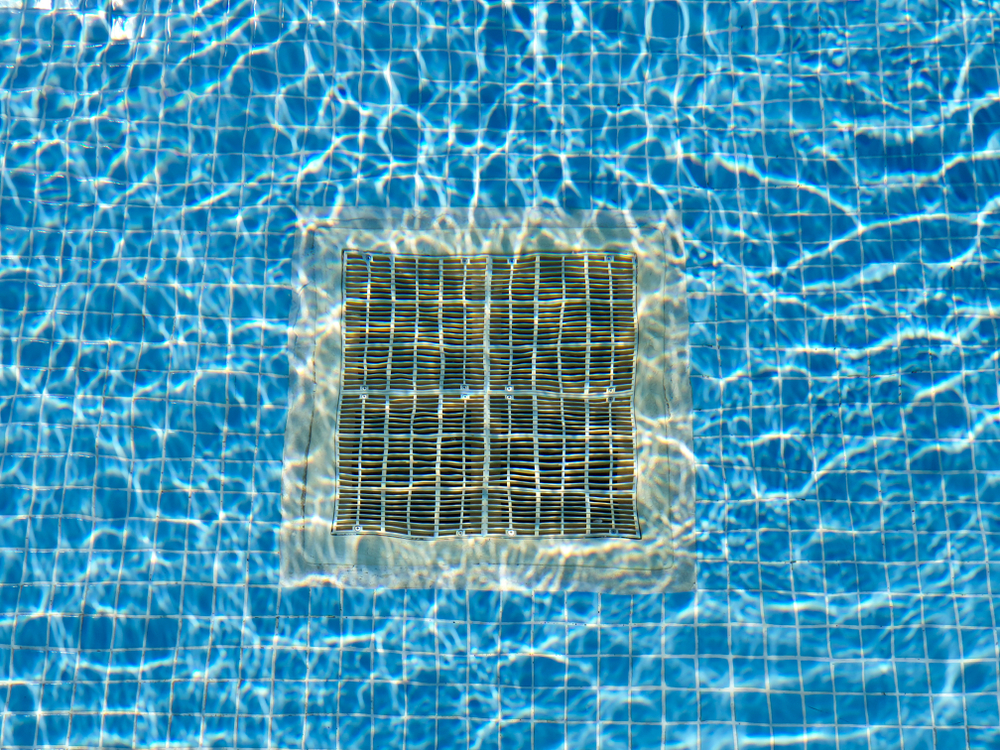
At first glance, a pool drain seems harmless—just another fixture keeping the water clean and circulating. But behind its innocuous appearance lies a dangerous force. Pool drains work by pulling water through the filtration system, creating suction that can become extremely powerful if a drain cover is missing, damaged, or improperly installed.
The danger escalates when a body part or clothing comes into contact with the drain. The suction creates a vacuum-like seal, making it nearly impossible to break free. The U.S. Consumer Product Safety Commission (CPSC) has reported that the suction from a pool drain can generate hundreds of pounds of force, enough to trap even a fully grown adult underwater.
Children are particularly vulnerable due to their smaller size. Incidents often involve entrapment of hair, limbs, or clothing, but the most harrowing cases are when suction leads to evisceration, as in the tragic story of Valerie Lakey. In some instances, victims have also suffered broken bones or joint dislocations while trying to escape the pull of the drain.
The risk is heightened in older pools that may not meet modern safety standards. A missing or broken drain cover, a single-drain system, or improper maintenance can all create the perfect conditions for a disaster. And because pool drain dangers aren’t commonly discussed, many swimmers and parents remain unaware of the risks.
The Aftermath: Physical and Emotional Toll
Surviving a pool drain accident often leaves victims with injuries that are as life-altering as they are unimaginable. For Valerie Lakey, the aftermath of her accident required extensive medical intervention. As reported, “Valerie was left with permanent injuries that would require ongoing care for the rest of her life.” The physical toll alone—losing the majority of her intestines—was catastrophic.
Beyond the physical scars, the emotional burden is equally profound. Survivors often deal with long-term trauma, including anxiety around water and the psychological impact of their injuries. Families, too, are left grappling with the emotional strain and the financial costs of medical care and rehabilitation.
In many cases, these incidents have prompted victims’ families to take legal action. For example, Valerie’s family pursued a landmark lawsuit, which resulted in a $25 million settlement against the pool’s manufacturers and operators. The case not only highlighted the devastating consequences of negligence but also served as a catalyst for significant changes in pool safety regulations.
These tragedies illustrate that the consequences of pool drain accidents extend far beyond the initial incident. They are a stark reminder of why safety measures and regulations are not just necessary—they’re critical for preventing such life-changing events.
Regulations and Safety Measures: What’s Been Done
In the wake of harrowing incidents like Valerie Lakey’s, lawmakers and safety advocates have pushed for stricter pool safety regulations to prevent future tragedies. One of the most significant outcomes was the passage of the Virginia Graeme Baker Pool and Spa Safety Act (VGB Act) in 2007. This federal law, named after a young girl who drowned due to drain entrapment, mandates safety measures for public pools and spas across the United States.
The VGB Act requires the use of anti-entrapment drain covers, which are designed to prevent suction accidents by diffusing the force of the drain. Additionally, it mandates dual-drain systems in new pools, which help minimize suction by spreading the force across multiple outlets. These measures are crucial in reducing the risk of entrapment injuries or deaths.
While these regulations have undoubtedly saved lives, enforcement remains a challenge. Public pools are subject to inspections, but private pools often fall outside the scope of these requirements. Moreover, older pools may not comply with modern standards unless retrofitted with updated safety features.
Despite these advancements, some advocates argue that more needs to be done. As one safety expert notes in the IFLScience article, “These tragedies are entirely preventable, but only if we’re vigilant about enforcing and adhering to safety standards.” This sentiment underscores the importance of continued education and compliance to ensure every pool, public or private, is a safe space for swimmers.
The fight for safer pools isn’t over. Raising awareness about these regulations and encouraging pool owners to take proactive steps could help eliminate preventable accidents and their devastating consequences.
Preventing Tragedy: How to Stay Safe
Understanding the dangers of pool drains is the first step toward prevention. While regulations like the VGB Act have introduced life-saving measures, individual responsibility is key to ensuring every swim is a safe one. Whether you’re a pool owner or a frequent swimmer, here are some practical steps to protect yourself and others:
- Inspect Pool Drains Regularly
Always check that pool drain covers are intact and meet modern safety standards. A broken or missing cover is a red flag that should never be ignored. - Teach Children Pool Safety
Explain to kids why they should avoid sitting or playing near pool drains. Simple rules, like “stay away from the drain,” can make a big difference. - Supervise Closely
Drowning and entrapment can happen in seconds, especially with children. Active supervision during swim time is critical to prevent accidents. - Upgrade Older Pools
If you own a pool, ensure it complies with safety regulations, including the use of anti-entrapment covers and dual-drain systems. Professional inspections can help identify risks. - Know Emergency Protocols
Learn how to shut off the pool’s suction system in an emergency and ensure you have quick access to emergency contacts.
By taking these steps, pool users and owners alike can reduce the risks associated with dangerous suction forces. Pool safety isn’t just a matter of legislation; it’s a collective effort that starts with awareness and action.
Addressing the Myths: Why This Isn’t Just a Scary Story
The idea of pool drains causing catastrophic injuries is so unsettling that many people dismiss it as an urban legend. This misconception leads to complacency, which is why it’s essential to confront the uncomfortable truth head-on.
As we have highlight the importance of education, stating, “This isn’t an exaggeration or scare tactic—these accidents are rare but very real.” By perpetuating myths or downplaying their severity, we fail to prepare ourselves and our loved ones for the potential dangers.
Misinformation can lead to negligence, whether it’s ignoring a missing drain cover or assuming that these accidents are too rare to worry about. The truth is, awareness saves lives. Sharing accurate information and acknowledging these tragedies as preventable can make pools safer for everyone.
It’s time to replace myths with facts. Understanding the reality of pool drain accidents isn’t about fear—it’s about equipping people with the knowledge to protect themselves and others.

