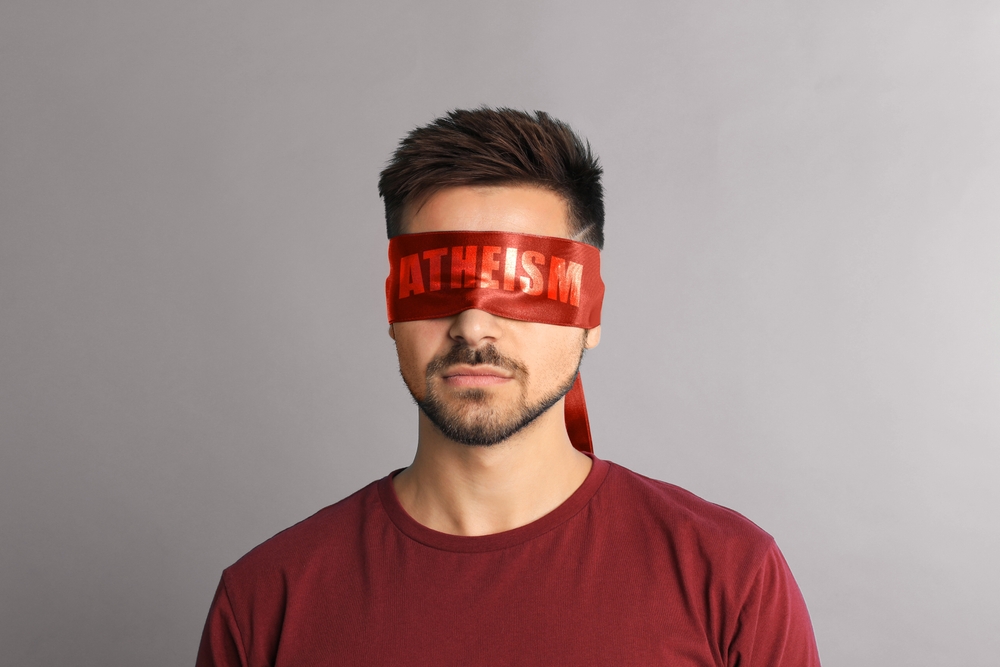
For centuries, morality has been tied to religion, with the faithful often seen as the torchbearers of ethical behavior. Atheists, by contrast, have faced an enduring stigma: the idea that without belief in a higher power, their moral compass is skewed or even nonexistent. This stereotype, though pervasive, is being increasingly questioned by science. Recent research reveals a different story—atheists possess a robust sense of morality, one that often aligns closely with, and in some cases even surpasses, that of their religious counterparts.
This groundbreaking study challenges the long-held assumption that morality requires divine guidance. Instead, it unveils how empathy, fairness, and harm prevention—universal values transcending religious boundaries—guide the ethical decisions of nonbelievers. As societies grow more secular, these findings invite a critical reexamination of what it truly means to be moral in a world where belief systems are as diverse as humanity itself.

The Amoral Atheist Myth: Why It Persists
The notion that atheists lack moral integrity is deeply rooted in history, often stemming from the assumption that ethics are inherently tied to religious belief. For centuries, societies have equated morality with divine commandments, portraying religion as the sole foundation for distinguishing right from wrong. This association has left nonbelievers grappling with misconceptions about their moral frameworks.
One reason this stereotype persists is the influence of cultural narratives and religious institutions that emphasize a moral monopoly. In many parts of the world, especially where religious traditions dominate, atheism is often equated with nihilism or moral relativism. As a result, atheists are frequently viewed with suspicion or even outright distrust—a phenomenon supported by surveys revealing that atheists are among the least trusted groups globally.
However, these perceptions often fail to account for the complexity of human morality. Moral behavior, as research increasingly shows, is not exclusive to religious individuals. Instead, it emerges from universal values and social constructs that transcend faith, offering a strong counterpoint to the myth of the “amoral atheist.“
Morality Without Divine Guidance: What the Study Revealed
A groundbreaking study published in PLOS One dismantles the long-held belief that morality is exclusive to the religious. The research, which surveyed diverse groups of religious and non-religious individuals, found that atheists exhibit a strong moral compass rooted in universal human values. Key factors like empathy, fairness, and a commitment to reducing harm were central to their ethical decision-making.

One of the most compelling findings was that atheists tend to prioritize tangible outcomes over adherence to rigid moral codes. Their decisions are often guided by a practical evaluation of harm and benefit, rather than a fear of divine punishment. For example, in hypothetical moral dilemmas, atheists showed equal, if not greater, consideration for the welfare of others compared to their religious counterparts.
The study also revealed that while religious participants often based their moral decisions on group cohesion and adherence to doctrine, atheists leaned toward individual reasoning and logic. This divergence underscores how secular morality is not about rejecting ethics but instead reinterpreting them through a lens of human-centered principles.
Empathy Over Doctrine: The Atheist Approach to Ethical Dilemmas
One of the study’s most intriguing revelations is how atheists approach moral decisions with a distinct emphasis on empathy rather than adherence to doctrine. Unlike religious frameworks that often derive morality from scripture or divine will, secular moral reasoning focuses on the tangible consequences of actions and the feelings of those affected.
For instance, in hypothetical scenarios like the classic “trolley problem,” atheists are more likely to weigh outcomes logically, considering the greater good while simultaneously accounting for the emotional impact on individuals. This nuanced approach underscores a deep understanding of human interconnectedness and the ethical responsibility to reduce harm wherever possible.
This emphasis on empathy aligns with broader societal shifts toward compassion-driven ethics. Without the constraints of dogmatic rules, atheists often adapt their moral principles to suit contemporary issues, such as climate change, social justice, and technological ethics. Their capacity to align ethics with evidence and human well-being illustrates that morality can evolve to address the complexities of modern life.
Why Atheists May Seem Less ‘Moral’ to Others
Despite evidence to the contrary, atheists are often perceived as less moral than their religious peers. This discrepancy stems from a combination of psychological biases and social conditioning, rather than any measurable difference in ethical behavior.
One significant factor is in-group bias—a tendency for people to trust and favor those who share their beliefs. In societies where religion is deeply embedded, atheists are often seen as outsiders, which can lead to mistrust. A 2017 study published in Nature Human Behaviour found that atheists were more likely to be viewed as capable of unethical or immoral behavior, such as cheating or lying, even without direct evidence.
Cultural narratives also play a role. Many religious teachings link morality with divine guidance, reinforcing the idea that those who reject faith must also reject ethical principles. This perception is further amplified by media portrayals and political rhetoric, which often frame atheism as a rejection of all moral accountability.
Interestingly, this bias persists even in secular societies, suggesting that these misconceptions are deeply ingrained. By exploring the roots of these perceptions, we can begin to dismantle the unfounded association between atheism and immorality, paving the way for a more nuanced understanding of ethics.
How Atheists Define Goodness
For atheists, morality isn’t dictated by sacred texts or divine authority—it is grounded in reason, empathy, and a commitment to the well-being of others. This secular approach to ethics prioritizes the tangible impacts of actions, focusing on harm reduction and fairness over rigid adherence to prescribed codes.
Atheists often draw from philosophical frameworks like humanism, which emphasizes the inherent value of every individual and the importance of rational thinking in ethical decision-making. For instance, in dilemmas involving resource allocation or social justice, atheists frequently advocate for equitable solutions that consider the broader societal benefit rather than catering to specific groups or ideologies.
Real-world examples illustrate this commitment to secular ethics. Many leading humanitarian organizations and social justice movements, although not explicitly atheist, are founded on principles that resonate with secular morality—helping the vulnerable, advocating for equality, and fostering cooperation. These efforts highlight how moral integrity can thrive outside the framework of religion.

Breaking Down Bias: Why Trust in Atheists Matters
Trust—or the lack of it—plays a pivotal role in shaping perceptions of atheists. Studies consistently reveal that atheists are often regarded with suspicion, even in secular societies. This distrust isn’t rooted in evidence but in psychological biases that link morality to religiosity. Overcoming these biases is essential for fostering more inclusive communities.
One reason for this mistrust is the “religious authority bias,” where people unconsciously associate ethical behavior with belief in a higher power. Research shows that individuals often perceive atheists as being less constrained by social norms, leading to assumptions of potential unethical behavior. Yet, the data contradicts these fears—atheists demonstrate moral reasoning that is both rational and empathetic, often prioritizing societal well-being over personal or group interests.
Addressing this bias requires a cultural shift in how morality is understood. As secular perspectives gain prominence, it’s crucial to highlight real-world examples of ethical leadership and contributions from non-religious individuals. By challenging stereotypes and promoting diverse moral voices, society can move toward a more equitable and trusting view of atheists and their role in shaping a just world.
Rethinking Morality Beyond Religion
The findings of this study challenge deeply ingrained assumptions about morality and its connection to faith, painting a more nuanced picture of human ethics. Atheists, often maligned as amoral or indifferent, have demonstrated that morality is not bound by religion but is a universal human trait driven by empathy, fairness, and a commitment to reducing harm.
As societies continue to secularize, the opportunity arises to redefine what it means to live ethically. By embracing shared human values over doctrinal divides, we can foster a world where morality is inclusive and adaptive. This shift not only dispels harmful stereotypes but also broadens our understanding of ethical behavior in diverse, modern societies.
The debate about morality without religion isn’t about replacing one system with another—it’s about recognizing that ethical behavior transcends belief. Whether guided by scripture or secular reasoning, what matters most is the shared commitment to creating a compassionate and equitable world. It’s a reminder that morality is, at its core, a reflection of our shared humanity.