
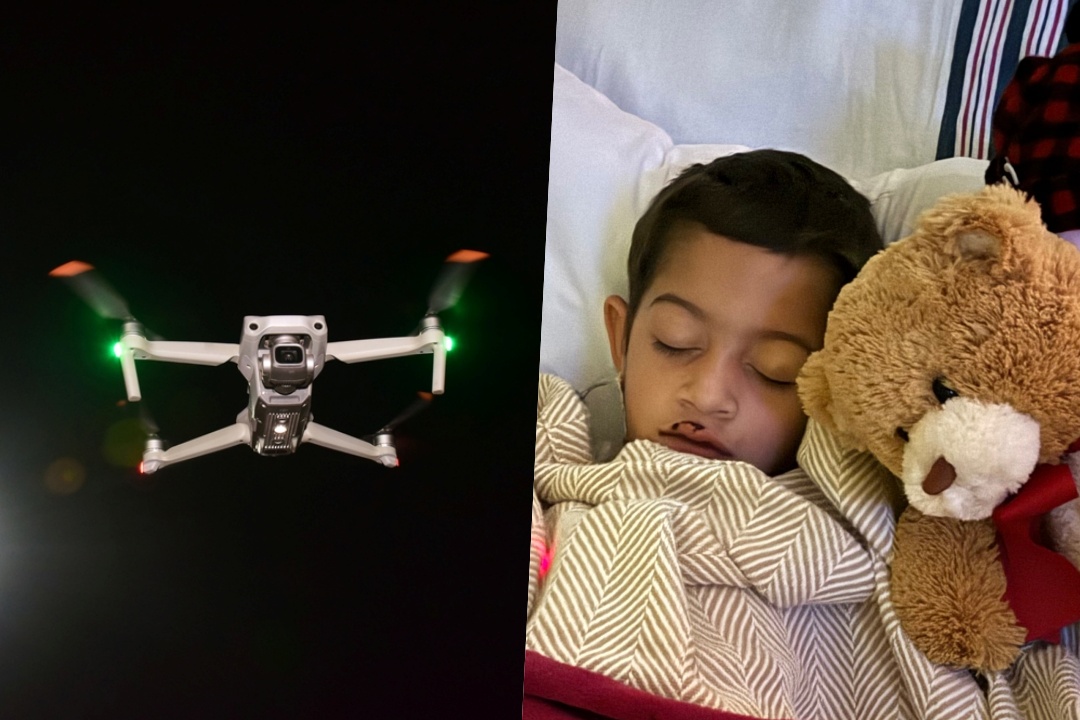
What was meant to be a breathtaking holiday display turned into an unforgettable night for all the wrong reasons. Families gathered at Orlando’s Lake Eola Park, eager to witness a dazzling drone light show against the festive backdrop. Instead, chaos unfolded, leaving one young boy fighting for his life. This unexpected twist raises troubling questions about the safety of modern aerial performances and their potential risks to audiences. What went wrong during this ill-fated event?
What Happened at Lake Eola Park
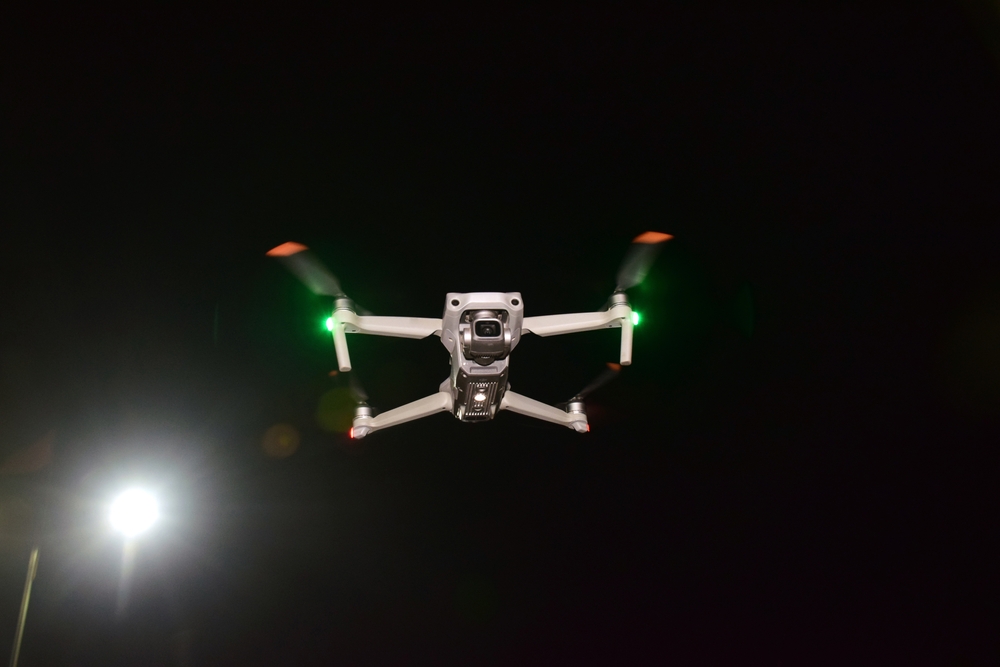
On December 21, 2024, Orlando’s Lake Eola Park was the setting for a highly anticipated holiday drone show, orchestrated by Sky Elements Drones in collaboration with the City of Orlando. The event drew thousands, eager to witness a synchronized aerial display featuring drones forming festive shapes against the night sky.
However, shortly after the 6:30 p.m. performance commenced, technical malfunctions led to a catastrophic failure. Multiple drones collided mid-air, veered off course, and plummeted into the crowd below. Eyewitness footage captured the unsettling scene, with attendees exclaiming, “Watch out, watch out!” as drones descended unpredictably.
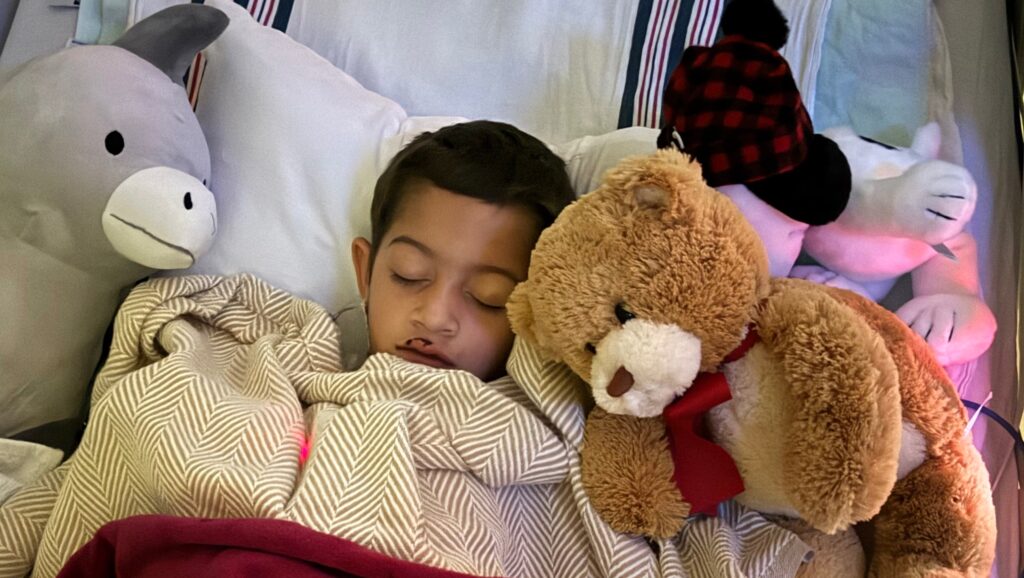
Among the injured was seven-year-old Alexander Edgerton, who sustained severe injuries after being struck by a falling drone. His mother, Adriana Edgerton, recounted the harrowing experience: “Everyone’s natural instinct was to duck and scatter, and before we realized it, my daughter found my son on the floor unconscious. He had blood coming out of his face.”
Alexander was immediately transported to a local hospital, where he underwent emergency open-heart surgery to repair a damaged heart valve. Adriana shared her anguish online, stating, “I have never been so scared. I can’t believe a drone show at Lake Eola Park turned into this. I’m … .”
In response to the incident, the City of Orlando canceled the subsequent 8:00 p.m. show, citing “technical difficulties.” The Federal Aviation Administration (FAA) has initiated an investigation to determine the cause of the malfunction.

While drone light shows have gained popularity as innovative entertainment alternatives to traditional fireworks—offering benefits such as reusability and reduced pollution—they are not without hazards. Drone light show systems require rigorous safety protocols, including pre-show site assessments, real-time monitoring, and adherence to strict regulatory standards to mitigate risks to both operators and spectators.
Monitoring the Boy’s Condition
Adriana shared the devastating impact of the drone on her son: “The blade cut his mouth, but there’s an actual imprint of the drone on his chest.” The force of the collision damaged one of Alexander’s heart valves, necessitating emergency open-heart surgery.
“Everyone’s natural instinct was to duck and scatter,” Adriana recounted the harrowing moments following the incident, “And before we realized it, my daughter found my son on the floor unconscious. He had blood coming out of his face.”
The family’s ordeal was compounded by the timing, as the incident occurred just days before Christmas. Adriana’s anguish can be felt in her words, “My baby is going into emergency heart surgery off of just trying to watch a drone show at Lake Eola Park!”
In the wake of the accident, the Edgerton family has received an outpouring of support from the community. A GoFundMe fundraiser was established to assist with medical expenses, reflecting the collective concern and solidarity of friends, neighbors, and strangers alike.
As of the latest GoFundMe update, after a successful surgery, the family spent Christmas in the hospital as Alexander undergoes recovery.
Who’s Accountable?
The aftermath of the drone incident at a Florida holiday showhas sparked a complex legal debate over accountability. Identifying the responsible parties involves unraveling multiple layers of liability, potentially implicating both the municipal authorities and the drone operator, Sky Elements.
The City of Orlando could be partially liable for the incident. Legal expert Mark Nejame notes that if found negligent, the city’s financial responsibility would be capped at $200,000 due to state liability limits. The city likely had agreements in place with Sky Elements that could limit its liability, typically including clauses that protect the city from claims by shifting responsibility to the company.
Sky Elements is also at the forefront of scrutiny. The company’s ambitious use of technology raises questions about whether their pursuit of record-setting drone displays compromised safety standards. Liability may hinge on whether there was negligence in how the drones were operated or if a technical failure occurred, such as a software malfunction.
The specific drones used at Lake Eola were designed for elaborate light shows, carrying heavy equipment that increased risk factors. “These drones are specifically made for light shows,” Patrick McBride, a seasoned drone pilot, told WFTV, “Their payload is one vast LED dome.” The inherent risks of operating such heavy drones over a crowd underscore potential negligence.
Meanwhile, the FAA’s involvement through the suspension of Sky Elements’ Part 107 waiver underscores the seriousness of the breach in safety protocols. This regulatory action, while temporary, reflects concerns about the company’s compliance with safety standards and could influence ongoing liability assessments.
Following the incident, Sky Elements canceled several high-profile shows, reflecting a shift toward stringent safety reviews. This move, while prudent, also signals the company’s recognition of potential deficiencies in their operational protocols.
Safety Concerns with Drone Shows
Drone light shows have emerged as a captivating alternative to traditional fireworks, offering synchronized aerial displays that dazzle audiences. However, the incident at Orlando’s Lake Eola Park underscores the potential hazards associated with such performances.
The Federal Aviation Administration (FAA) mandates strict regulations for drone operations, especially for large-scale events. These include obtaining waivers for multiple drone flights and ensuring public safety.
To mitigate risks, industry experts recommend:
- Pre-Show Testing: Conduct comprehensive assessments to identify potential technical issues.
- Real-Time Monitoring: Implement systems to detect and address malfunctions during performances.
- Clear Communication: Maintain constant communication among crew members, flight directors, and drone operators to coordinate movements and formation changes.
- Public Awareness: Inform spectators about safety protocols and emergency procedures.
Balancing Wonder and Responsibility
The devastating incident at Lake Eola Park serves as a stark reminder of the inherent risks associated with large-scale public events, particularly those involving emerging technologies like drone shows. While these displays captivate audiences with their innovation and beauty, they also demand rigorous safety measures and oversight to prevent such tragedies.
For young Alexander Edgerton and his family, this holiday season has turned into an unimaginable ordeal. The collective response from the community, through financial support and heartfelt messages, underscores the strength of compassion in the face of adversity. As authorities continue their investigation, this event highlights the need for public safety to remain paramount in the pursuit of entertainment innovation.
Moving forward, industry leaders and regulatory bodies must work together to ensure that every drone display is not only dazzling but also safe for all who gather beneath the spectacle.
Featured image via Shutterstock and Jessica Lumedge, GoFundMe

