
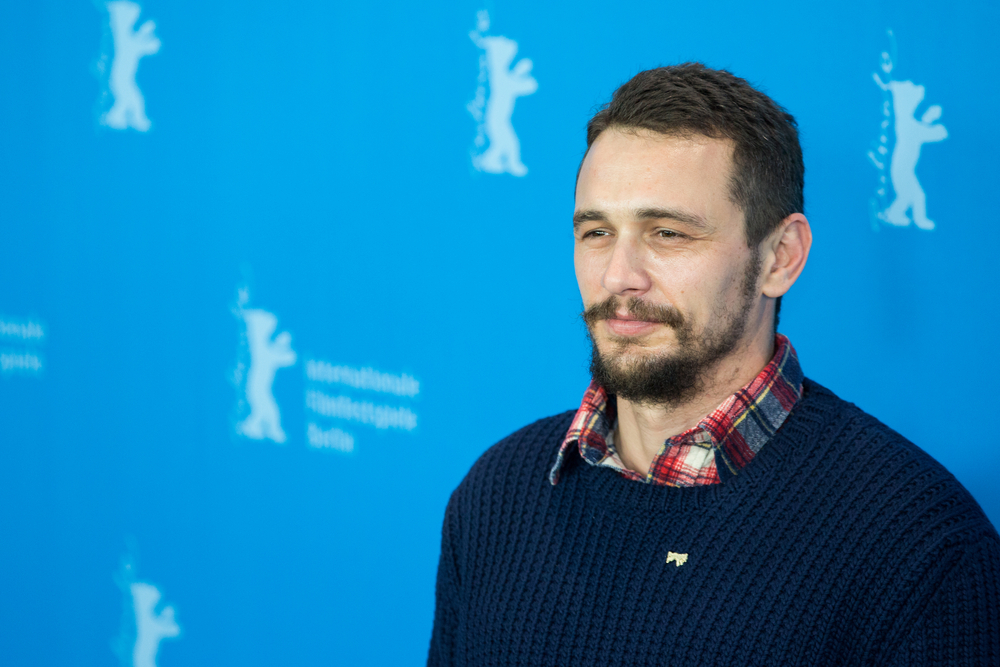
James Franco’s journey through Hollywood has been anything but ordinary. Once at the pinnacle of his career with roles that spanned from comedy to intense drama, Franco found his star dimmed not by fading public interest but by a cloud of controversy that led to his sudden and jarring exit from the limelight. Accusations of sexual misconduct surfaced, casting a long shadow over his achievements and altering his path in ways few could have anticipated.
Now, after a period of silence and personal reflection, Franco is attempting a return to the screen, claiming a transformation and seeking a second chance in the industry that once shunned him. What has changed for Franco during his time away from Hollywood’s glare, and what does his attempt at a comeback reveal about the possibilities of redemption and the enduring scrutiny of past actions?
The Allegations and Immediate Fallout
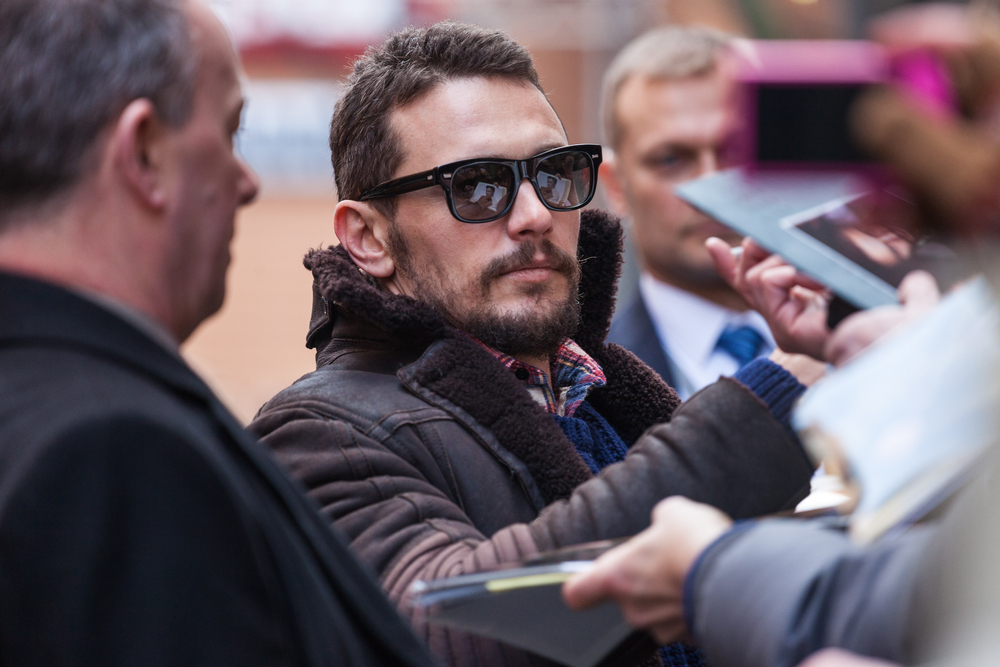
The controversy surrounding James Franco began to unfold significantly in January 2018, amplified by the #MeToo movement, which cast a new light on allegations of sexual misconduct within Hollywood. Franco, a prominent figure due to his extensive film career and academic ventures, faced accusations from multiple women, marking a swift and severe impact on his professional and personal reputation.
Several women, including former students from his now-defunct acting school, Studio 4, accused Franco of inappropriate behavior and sexual misconduct. These allegations were not limited to but included pressuring actresses to perform explicit scenes and exploiting his position as a teacher and mentor to push boundaries under the guise of artistic development.
Franco’s public response to these allegations was to acknowledge that while he did engage in sexual relationships with students, he did not perceive them as unethical at the time. However, he later recognized the problematic nature of these dynamics, especially the inherent power imbalances. His legal troubles peaked with a lawsuit filed by two former students, which was eventually settled in 2021 for $2.2 million, although Franco and his associates did not admit any liability as part of the settlement agreement.
The fallout from these allegations was immediate and significant. Long-time collaborators distanced themselves, and his career in Hollywood was noticeably disrupted. The public’s reaction was mixed, with widespread media coverage and a considerable backlash in the industry, highlighting the broader issues of power abuse and sexual exploitation in Hollywood.

Personal Reflections and Admissions
James Franco’s personal journey following the allegations against him has been marked by introspection and public admissions of past wrongdoings. In various interviews, Franco has openly discussed the personal and professional impact of the accusations, acknowledging his responsibility and the need for change in his behavior.
Franco admitted to having sexual relationships with students during his tenure as an instructor, which he now recognizes as inappropriate due to the power dynamics involved. He described these relationships as consensual at the time but acknowledges that he was “completely blind to power dynamics” and the implications of his actions. His reflections reveal a period of being “not clear-headed,” which skewed his judgment regarding the appropriateness of these relationships.
In addressing his past behavior, Franco also discussed his struggles with addiction, specifically sex addiction, which he says clouded his judgment and led to damaging behaviors not just towards himself but others around him. He expressed that this addiction was a misguided attempt to seek validation and professional success, which ultimately led to significant personal and professional consequences.
Franco has stated that being confronted with his actions was painful but necessary, describing the backlash as a wake-up call that prompted him to stop and reconsider his path. He has spoken about using the time away from the spotlight to do “private work,” focusing on recovery and personal growth. He expressed gratitude for the opportunity to change and emphasized his current focus on being a supportive part of any project he undertakes, rather than using work to fill personal voids.
James Franco’s Life After Being ‘Cast Out’
In a recent interview with Variety, James Franco discussed his experiences and reflections after being somewhat “cast out” of Hollywood. Franco acknowledged the pain associated with such a public and professional rebuke but recognized it as a pivotal moment for personal growth. “Being told you’re bad is painful,” Franco reflected, “But ultimately, that’s kind of what I needed to just stop going the way I was going.” This admission underscores his acceptance and the transformative impact of the controversies surrounding him.
Franco has channeled this period of reflection into productive endeavors, finding guidance in David Brooks’ “The Second Mountain,” which argues for the fulfillment found in committing to purposes larger than oneself. This philosophical pivot is evident in Franco’s recent activities, which include launching a streetwear fashion label and returning to his artistic roots in drawing and painting.
While he has slowly made his way back into acting with European productions like “The Largo Winch Adventure,” and has several projects in various stages of production, his relationship with Hollywood remains complicated. Projects like “The Razor’s Edge,” and the controversial “Alina of Cuba,” have faced their own sets of challenges and delays, reflecting a career that, while active, is markedly different from his Hollywood heyday.
Franco also delved into his personal growth during his hiatus from Hollywood, revealing a shift in priorities and life’s purpose. “I am proud of the kind of work I did during that time,” he states, acknowledging the personal work required to reshape his life. With a newfound appreciation for his experiences and a focus on contributing positively to his projects, Franco expresses a deep-seated gratitude for his current life and work: “It’s not about me trying to fill some hole with work, it’s just about, ‘Wow, I have a really great life. I’m very grateful, and I hope to serve whatever project I do.’” This sentiment marks a significant departure from his previous, relentless pursuit of more, highlighting a journey of recovery and realignment that extends beyond the screen.
Return to Acting: Franco’s Latest Movie
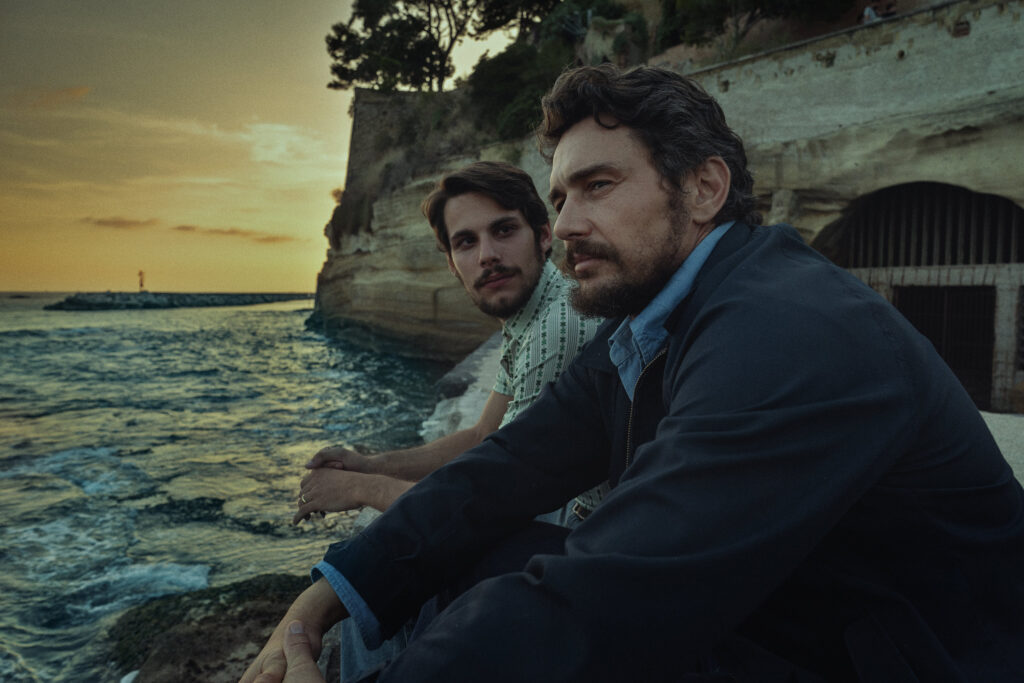
James Franco’s return to the acting world is marked by his role in the Italian drama film Hey Joe, directed by Claudio Giovannesi. This film, which premiered at the 19th Rome Film Festival in October 2024, features Franco as Dean Barry, a character grappling with past mistakes and seeking redemption—a narrative that mirrors Franco’s own personal journey following his Hollywood fallout.
In Hey Joe, Franco portrays a U.S. Navy veteran who returns to Naples to reconnect with a son he fathered during the war, decades earlier. The role and the film’s themes of reconciliation and personal change reflect Franco’s own efforts to reform his life and career after the allegations and legal challenges he faced. The actor has expressed that the role was a “gift out of the sky,” suggesting that it came at a time when he was ready to resume his career under new terms.
Franco’s involvement in Hey Joe signifies more than just a professional comeback; it represents his attempt to reengage with the film industry on his terms, focusing on roles that allow him to explore deeper, more introspective themes. Despite his turbulent past, Franco’s return to acting has been cautious, with an emphasis on roles that resonate personally and professionally, indicating a shift in how he chooses to advance his career moving forward.
From Reckoning to Recovery
As James Franco re-emerges into the public eye with a new perspective on life and work, his story serves as a complex narrative of downfall, introspection, and attempted redemption. The once-celebrated actor faced a career-stalling backlash after serious allegations of misconduct surfaced, leading to significant personal and professional fallout. His return to acting, marked by selective roles that resonate with his journey and lessons learned, reflects his efforts to reshape his path and redefine his engagement with the film industry.
Franco’s story highlights the broader discussions within Hollywood regarding accountability, power dynamics, and the potential for personal growth after public controversy. While some may view his attempts at a comeback with skepticism, others might see a genuine effort to make amends and contribute positively to his craft. The true measure of his redemption will likely unfold in the years to come as he continues to navigate the challenges of returning to a field that once turned its back on him.
Through it all, Franco’s narrative raises critical questions about the possibilities and limits of forgiveness and change in the public eye. His journey underscores the ongoing debate about how society reconciles a person’s past actions with their attempts to change and make amends.

