
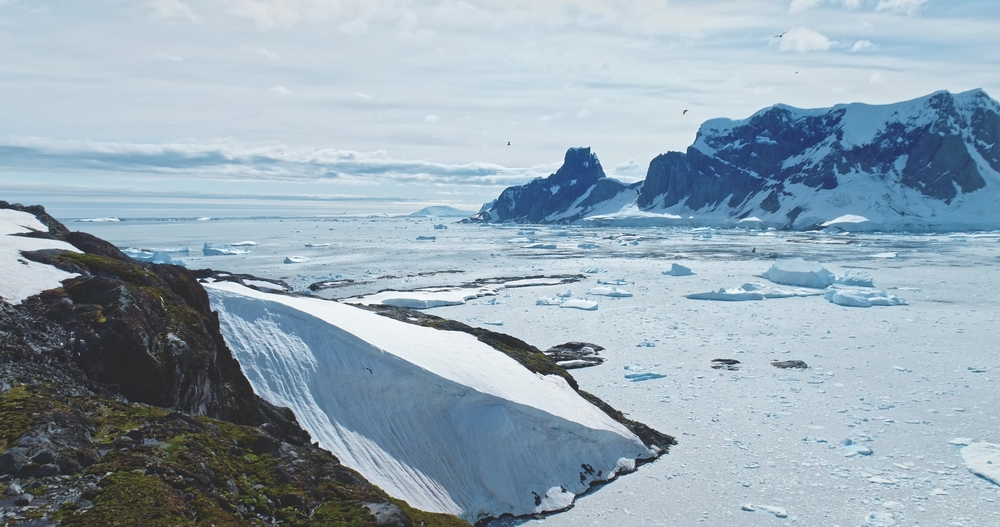
Antarctica, the coldest and most remote continent on Earth, has long been synonymous with vast, pristine sheets of ice and desolate, frozen landscapes. But what if the very image of this icy wilderness is beginning to melt—quite literally? In a striking turn of events, scientists have observed green patches spreading across its surface, a phenomenon driven by warming temperatures. This transformation, while visually unexpected, paints a troubling picture for our planet’s future.
Over the past few decades, Antarctica has experienced some of the fastest warming rates on the planet, with certain regions seeing temperatures rise by nearly 3°C. With these shifts, once-hostile environments are becoming fertile grounds for moss and algae to thrive. For a place once considered too extreme for vegetation, the sudden greening isn’t just a curiosity—it’s a harbinger of profound ecological shifts. What does this mean for one of the planet’s most fragile ecosystems, and how does it ripple into global climate systems?
What’s Causing the Antarctic to Turn Green?
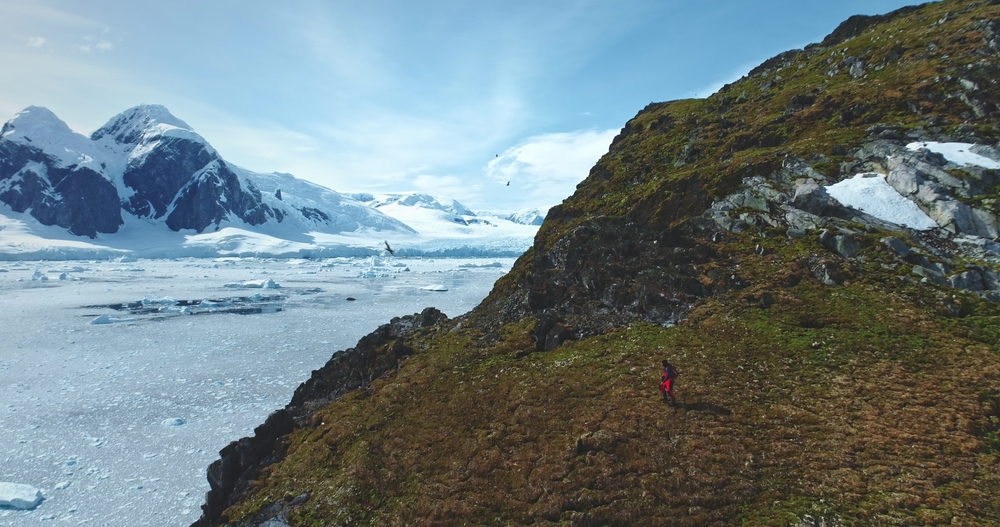
The once-icy expanse of Antarctica is undergoing a dramatic transformation, driven primarily by climate change. Rising global temperatures are the key factor, with the Antarctic Peninsula experiencing some of the fastest warming rates on the planet. Warmer conditions are lengthening the summer months, creating an environment where moss and algae can thrive.
According to scientists, algae blooms, often referred to as “green snow,” are becoming increasingly common. These blooms are linked to melting snow and ice, which create pools of nutrient-rich water where microscopic organisms can flourish. With temperatures climbing and ice receding, these conditions are spreading further across the continent, allowing plant life to establish a foothold in areas that were once entirely inhospitable.
Adding to the problem is the role of melting ice itself. As snow and ice retreat, darker surfaces like exposed ground and water absorb more sunlight, amplifying the warming effect in a feedback loop. This process, known as the albedo effect, not only encourages more plant growth but also accelerates the melting of glaciers—an alarming cycle with far-reaching implications for global sea levels.
This greening of Antarctica is not a natural adaptation or a sign of resilience. Rather, it’s a symptom of the profound impact humans are having on the planet, forcing even its most remote ecosystems to change in ways that could have devastating consequences.

How Scientists Mapped the Green Spread
Uncovering the greening of Antarctica required a combination of cutting-edge technology and meticulous research. Scientists employed satellite imagery and on-the-ground observations to map the spread of plant life across the continent. These tools allowed researchers to pinpoint areas where moss and algae have flourished, offering a detailed view of how the icy wilderness is evolving.
“The plants we find on the Antarctic Peninsula – mostly mosses – grow in perhaps the harshest conditions on Earth,” explained Dr. Thomas Roland, an environmental scientist from the University of Exeter. Despite these extreme conditions, mosses are now colonizing areas that were once completely covered in snow and ice.
One study, conducted by a team from the University of Cambridge and the British Antarctic Survey, used satellite data to identify “green snow” algae blooms across the Antarctic Peninsula. The research revealed that these blooms are not only growing larger but also appearing in new areas as temperatures rise. Their findings were compiled into detailed maps, showcasing how climate change is reshaping this fragile ecosystem.
“The landscape is still almost entirely dominated by snow, ice, and rock, with only a tiny fraction colonized by plant life. But that tiny fraction has grown dramatically – showing that even this vast and isolated ‘wilderness’ is being affected by anthropogenic climate change,” Dr. Roland emphasized. These maps provide a critical baseline for monitoring future changes and understanding how warming temperatures are transforming one of the world’s most remote regions.
Why This Green Growth Is a Warning, Not a Win
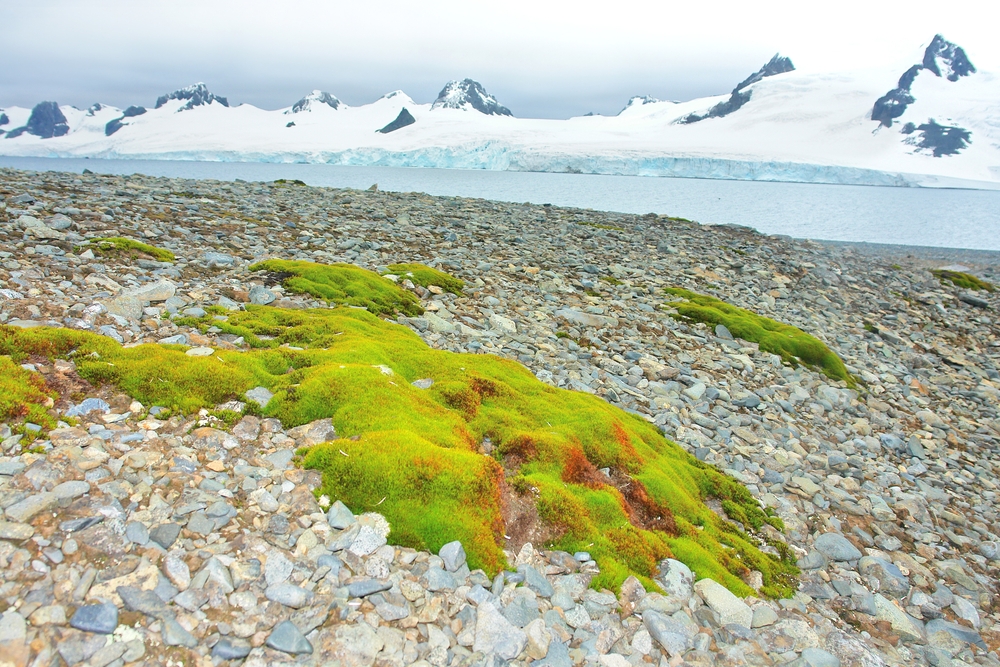
At first glance, the sight of greenery in Antarctica might seem like a curious or even positive development. After all, plant life is often associated with ecosystems thriving. But in this case, the rapid growth of moss and algae is a stark warning about the consequences of climate change—and the implications are far from positive.
One of the most alarming impacts is how this vegetation affects the albedo effect, a process where the Earth’s surface reflects sunlight. As green algae and moss spread, they darken the surface, absorbing more heat and accelerating ice melt. This creates a vicious cycle, where warmer temperatures lead to more plant growth, which in turn speeds up glacial melting.
Dr. Andrew Gray, a researcher involved in the study, explained, “As the snow melts, it creates the water algae need to grow, which then leads to more melting as the algae darken the surface.” This chain reaction could have significant consequences for global sea levels, as Antarctic ice is a major buffer against rising oceans.
The introduction of more vegetation also disrupts the region’s delicate ecosystem, which has evolved over millennia to exist with minimal organic matter. The greening of Antarctica underscores the urgency of addressing climate change before its effects cascade further into more fragile systems worldwide.
Impacts Beyond Antarctica
The greening of Antarctica is not just an isolated environmental shift; its effects ripple far beyond the continent itself. As one of Earth’s primary climate stabilizers, Antarctica plays a crucial role in maintaining the balance of global systems. The changes taking place there—especially the rapid ice melt—could set off a chain reaction with serious consequences for the rest of the world.
One of the most immediate and alarming impacts is the rise in global sea levels. Antarctica holds about 60% of the planet’s fresh water in its ice sheets, and as these melt at an accelerating rate, millions of people in coastal regions face the threat of flooding. Even small increases in sea levels can lead to storm surges, erosion, and the displacement of entire communities.
Beyond sea level rise, Antarctica’s transformation can disrupt global weather patterns. The continent’s icy expanse helps regulate ocean currents and wind systems, which are critical to the planet’s climate stability. As the ice recedes and more vegetation spreads, it alters the thermal and salinity gradients in the surrounding oceans. This can weaken vital currents, like the Antarctic Circumpolar Current, and affect weather systems worldwide.
Another concern is how these changes might influence carbon cycles. While algae and moss absorb carbon dioxide during growth, the overall warming and ice loss they contribute to releases far greater amounts of greenhouse gases trapped in the ice and soil. This exacerbates global warming, creating further challenges for already vulnerable ecosystems around the world.
The greening of Antarctica is a clear signal that the impacts of climate change are interconnected, transcending borders and ecosystems. What happens in the icy south ultimately affects us all, underscoring the urgent need for global action to mitigate these cascading effects.
What Can Be Done to Slow This Down?
The rapid greening of Antarctica is a visible symptom of a much larger issue: accelerating climate change. Addressing this crisis requires collective, global action to mitigate its root causes and prevent further damage to the planet’s most fragile ecosystems. While reversing the current trajectory may seem daunting, there are actionable steps that can help slow the changes impacting Antarctica.
Reducing Greenhouse Gas Emissions
The primary driver of warming temperatures is the buildup of greenhouse gases in the atmosphere. Governments, industries, and individuals must prioritize reducing emissions by transitioning to renewable energy sources, implementing stricter regulations on fossil fuels, and promoting energy efficiency. International agreements like the Paris Climate Accord are critical frameworks for encouraging countries to work together toward these goals.
Protecting Polar Ecosystems
Protecting Antarctica itself is another crucial step. Strengthening international policies like the Antarctic Treaty can help limit human activity that contributes to further environmental degradation. Ensuring that research and tourism activities adhere to strict guidelines can reduce the risk of introducing non-native species or pollutants to the region.
Advancing Climate Research
Continued research into Antarctica’s changing environment is essential for developing effective solutions. Scientists must monitor the spread of algae and moss, the melting of ice sheets, and the broader impacts on global systems. Funding and supporting climate research initiatives can provide the data needed to predict future changes and create targeted mitigation strategies.
Individual Actions Add Up
While systemic changes are vital, individuals can contribute by reducing their own carbon footprints. Simple actions like conserving energy, reducing waste, and advocating for climate policies in their communities can create a ripple effect. Supporting organizations and initiatives dedicated to climate action can also amplify individual efforts.
Though the greening of Antarctica highlights the severity of climate change, it’s not too late to act. Every step taken to reduce emissions, protect fragile ecosystems, and support research brings us closer to slowing the pace of this transformation—and safeguarding the planet for future generations.
A Sobering Signal From the South
The unexpected greening of Antarctica is more than just a curious ecological anomaly—it’s a glaring warning about the rapid pace of climate change and the fragility of our planet’s ecosystems. From the darkening effects of algae growth accelerating ice melt to the broader implications for sea levels and global weather patterns, this transformation underscores how interconnected the planet truly is.
Antarctica, often considered one of the last untouched frontiers, is now a stark reflection of humanity’s impact on the environment. The changes happening on this frozen continent serve as a reminder that no place on Earth is immune to the effects of global warming. As scientists continue to map and study this phenomenon, their findings are not just data points—they are calls to action for every individual, government, and organization.
The future of Antarctica’s landscape—and by extension, our planet—depends on the choices we make today. Whether it’s reducing emissions, advancing climate research, or taking personal steps to live more sustainably, every action counts. The time to act is now, before the green patches on the Antarctic map become a symbol of irreversible change.

