
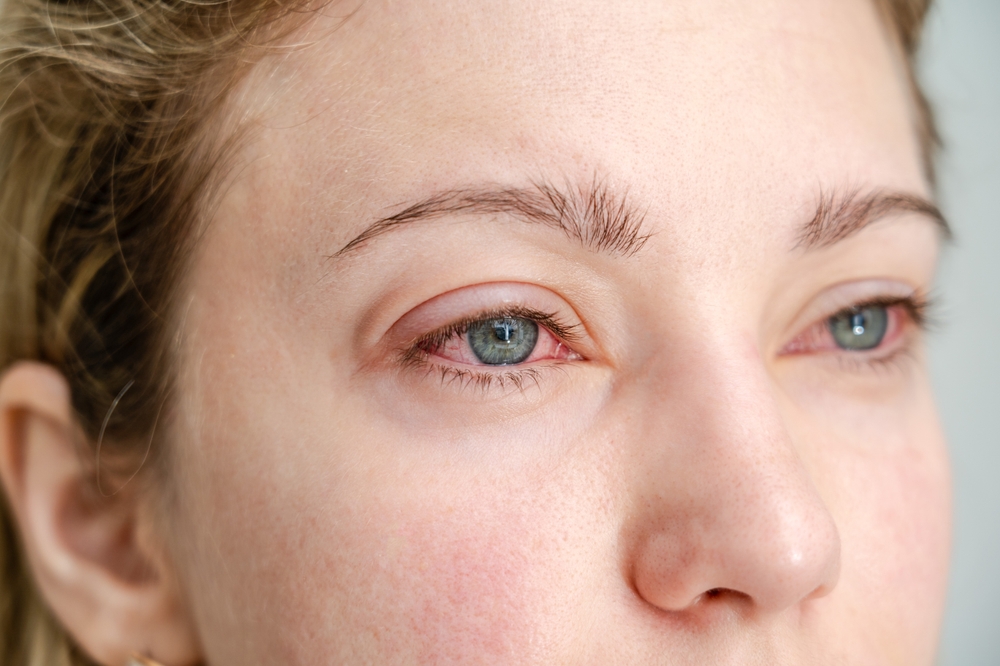
A mysterious and deadly virus is capturing global attention, sparking urgent travel warnings and widespread concern. Known for its unsettling nickname the “Bleeding Eye” virus, this disease has not only shaken the health sector but also left travelers and governments on high alert. Its symptoms are as alarming as its name, and its impact has already been felt in multiple regions.
What is this incurable disease that has the world watching so closely? How did it emerge, and why is it spreading so rapidly?
What Is the Bleeding Eye Virus?
The “bleeding eye” or Marburg virus is a highly virulent pathogen responsible for Marburg virus disease (MVD), a severe hemorrhagic fever in humans. First identified in 1967 during simultaneous outbreaks in Marburg and Frankfurt in Germany and Belgrade in Serbia, the virus was traced back to African green monkeys imported from Uganda for research purposes. This initial outbreak resulted in several fatalities among laboratory workers, marking the virus’s alarming entry into the human population.
Marburg virus is closely related to the Ebola virus, sharing similar structural characteristics and disease manifestations. Both viruses are filamentous and contain single-stranded RNA genomes, leading to severe hemorrhagic fevers with high mortality rates. The natural reservoir for the Marburg virus is the Egyptian fruit bat (Rousettus aegyptiacus), with human infections typically resulting from prolonged exposure to mines or caves inhabited by these bats.
Transmission to humans occurs through direct contact with the blood, secretions, organs, or other bodily fluids of infected individuals or animals. Human-to-human transmission is facilitated by direct contact with broken skin or mucous membranes, as well as contact with surfaces and materials contaminated with these fluids, such as bedding and clothing.
The World Health Organization notes that the average case fatality rate for MVD is around 50%, with rates varying from 24% to 88% in past outbreaks, depending on virus strain and case management. Currently, there are no approved vaccines or antiviral treatments for MVD.

Recent Outbreak and Current Status of Marburg Virus
Since the first recognized outbreak in Marburg, Germany, in 1967, Marburg virus disease (MVD) has primarily surfaced in African nations, with recent outbreaks reported in Ghana (2022), Tanzania (2023), and now Rwanda.
The Rwandan Ministry of Health confirmed its first case of the Marburg virus in September 2024, with the country reporting a total of 66 cases and 15 deaths by November 29, 2024. The outbreak prompted the U.S. State Department to issue a travel advisory on November 22, urging “increased caution” for travelers to Rwanda due to the virus. This advisory highlighted potential additional health screenings for travelers entering and exiting the country.
As of the last update, approximately 75% of reported Marburg patients in Rwanda have recovered, with the last known patient being discharged on November 8, 2024, after testing negative for the virus. Following this, the World Health Organization began a 42-day countdown on November 9, 2024, to potentially declare the end of the outbreak. If no new cases are reported during this period, the outbreak could officially be declared over by December 22, 2024. The Centers for Disease Control and Prevention (CDC) has maintained a Level 2 travel advisory (Practice Enhanced Precautions) for Rwanda and continues to monitor the situation closely in collaboration with international partners.
This recent episode in Rwanda highlights the persistent threat posed by hemorrhagic fevers like Marburg. There is a need for vigilant health surveillance, rapid response capabilities, and international cooperation to manage outbreaks effectively.
How Does the Bleeding Eye Virus Spread?
Marburg virus disease is a severe and often fatal illness characterized by a rapid onset of symptoms that can escalate swiftly. Below is the progression of the symptoms for early detection and improving survival rates.
- Incubation Period: The incubation period for MVD ranges from 2 to 21 days, with symptoms typically appearing abruptly.
- Initial Symptoms: The disease begins suddenly with high fever, severe headache, and malaise. Muscle aches and pains are common.
- Gastrointestinal Phase: By the third day, patients may experience severe watery diarrhea, abdominal pain and cramping, nausea, and vomiting. This phase can last for a week, and patients have been described as having “ghost-like” drawn features, deep-set eyes, expressionless faces, and extreme lethargy.
- Hemorrhagic Manifestations: Between days 5 and 7, hemorrhagic symptoms may develop, including:
- Bleeding from the nose, gums, and injection sites
- Blood in vomit and feces
- Spontaneous bleeding from the eyes, leading to the “bleeding eye” nickname
- Notably, “because it’s hemorrhagic, it ‘damages blood vessels and causes bleeding’ — often from the eyes, nose, mouth, or vagina.”
- Neurological Symptoms:
- In later stages, patients may exhibit neurological symptoms such as confusion, irritability, and aggression.
- Fatal Outcomes:
- In fatal cases, death usually occurs between 8 and 9 days after symptom onset, often preceded by severe blood loss and shock.
How Can the Spread Be Prevented?
For those in high-risk areas, such as caves or mines where bats are common, wearing protective clothing like gloves and masks is essential to avoid transmission from bats to humans.
During an outbreak, it’s vital to handle food safely by thoroughly cooking all animal products. Human-to-human transmission can be significantly reduced by avoiding direct contact with the bodily fluids of infected individuals. This includes not handling items like bedding and clothing that may have come into contact with the virus.
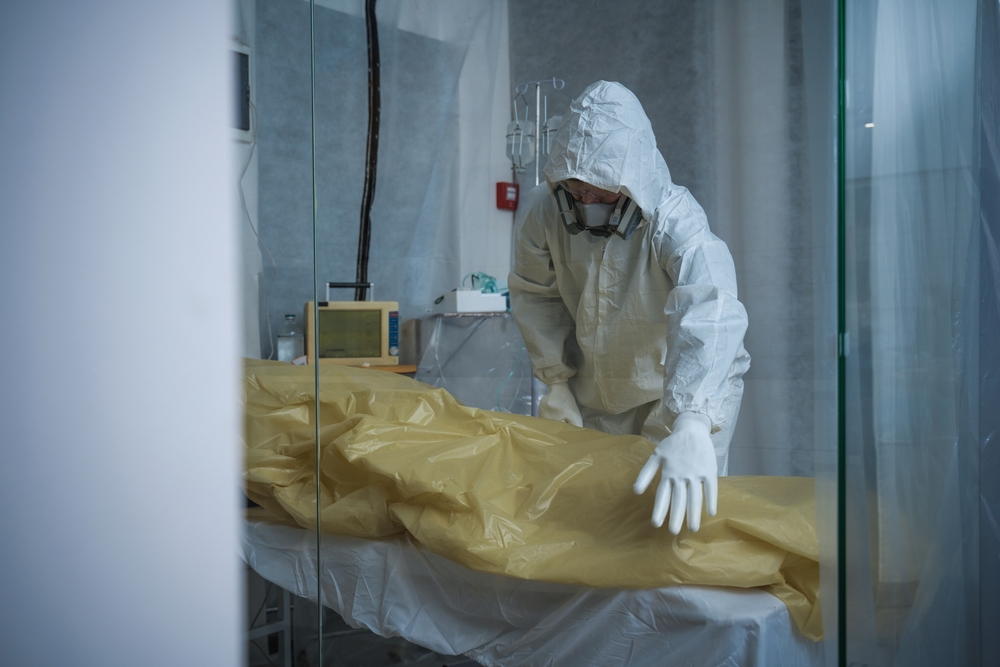
Isolation of suspected or confirmed cases is crucial, and monitoring anyone who has been exposed to the virus for 21 days can help prevent further spread. Safe burial practices are equally important, as the handling of bodies can lead to transmission.
For personal safety, avoid contact with potential animal carriers of the virus, such as Egyptian rousette bats and non-human primates in affected regions.
Should You Be Worried About Marburg Virus in the US?
As the Marburg virus captures headlines with its outbreak in Rwanda, it’s natural to wonder about the implications closer to home in the U.S. The good news, according to the CDC, is that the risk to the general U.S. population remains “low,” and this assessment is made with “moderate confidence.” So, what does this mean for those in the US?
The outbreak in Rwanda has been largely contained to specific clusters and has not shown signs of wider community spread. Additionally, measures are in place to monitor those who might bring the virus stateside. While the notion of the virus reaching the U.S. might seem concerning, the structure of travel from Rwanda to the U.S.—including the lack of direct flights and relatively few travelers—significantly reduces the likelihood of Marburg making its way here.
Furthermore, should the virus somehow enter the U.S., CDC reassures that the country’s public health system is prepared to handle it. Remember the Ebola outbreak in 2014-2015? It’s a similar scenario: despite the high stakes, only two infections occurred in the U.S., and both were contained without community spread.
For those without travel plans to Rwanda, the situation is more about staying informed than actively worrying. However, if you’ve recently been to Rwanda or know someone who has, it’s wise to be vigilant about health and follow the guidelines set by health authorities. Keeping informed through reliable sources and trusting our health systems are our best moves as we watch how this situation unfolds overseas.
Is There a Cure or Vaccine for Marburg Virus?
Currently, there is no approved cure or vaccine for Marburg virus disease (MVD). The WHO and various health agencies recognize the critical need for effective treatments and have reported that several vaccine and drug therapies are in the development stages. The Sabin Vaccine Institute and the International AIDS Vaccine Initiative (IAVI) are among the organizations actively working on potential vaccines. Additionally, researchers at Oxford University, known for developing the AstraZeneca COVID-19 vaccine, began trials in the UK this summer using similar technology for a Marburg vaccine candidate.
Despite these efforts, healthcare professionals must rely on supportive care measures, such as rehydration and symptom management, which have been shown to improve survival rates.
Diagnosing MVD is also challenging as its symptoms are similar to those of many other infectious diseases, including malaria and other viral hemorrhagic fevers. Confirmation of the Marburg virus infection relies on specialized diagnostic methods such as the antibody-capture enzyme-linked immunosorbent assay (ELISA).
Staying Vigilant Against the Marburg Threat
The Marburg virus, with its devastating impact and high mortality rate, remains a pressing global health concern. From its alarming symptoms to its rapid transmission, understanding this disease is vital for prevention and containment. While recent outbreaks have highlighted the challenges in managing this deadly virus, they have also spurred coordinated international efforts to enhance surveillance, enforce preventive measures, and develop potential treatments.
Staying informed, practicing good hygiene, and adhering to travel advisories are essential for mitigating risks, especially for those in or traveling to affected regions. By prioritizing education and vigilance, we can collectively work toward minimizing the spread of the Marburg virus and safeguarding public health.

