
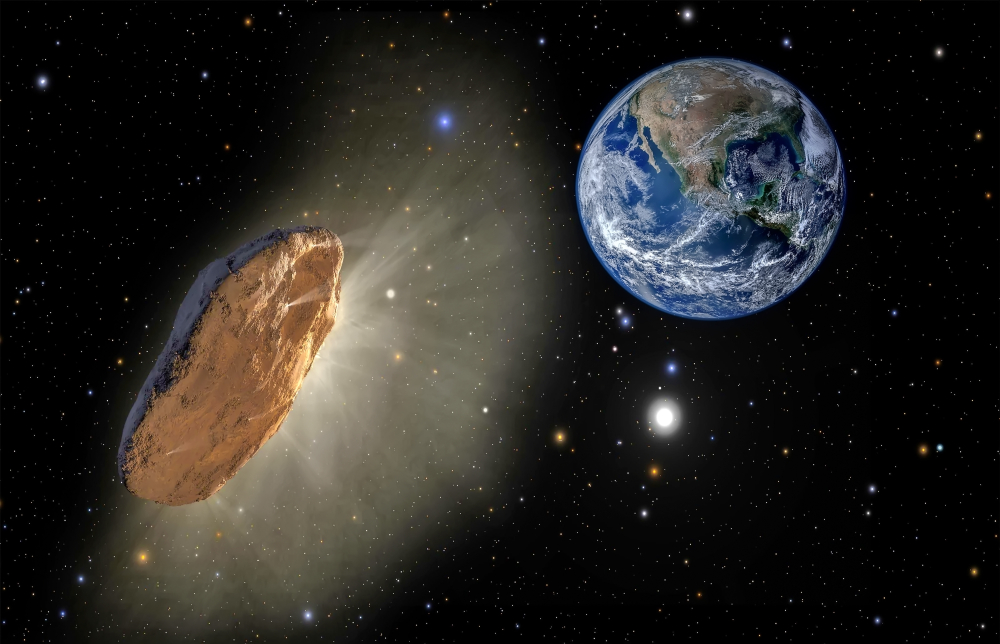
As Christmas Eve approaches, the sky above promises more than twinkling stars and festive cheer. A massive celestial visitor, known as the “Christmas Eve asteroid,” is hurtling toward Earth at astonishing speeds. While its approach is being closely monitored by NASA, the sheer size and velocity of this space rock have sparked fascination and a hint of unease. What makes this event so remarkable? Could this asteroid pose a threat, or is it simply a fleeting guest in the cosmic dance of our solar system?
What We Know About the Christmas Eve Asteroid
Asteroid 2024 XN1, discovered on December 12, 2024, is set to make a close approach to Earth on Christmas Eve. Measuring between 95 and 230 feet in diameter—comparable to a 10-story building—this celestial object will pass at a distance of approximately 4.48 million miles from our planet, about 18 times the distance between Earth and the Moon.
Traveling at a velocity of 14,743 miles per hour, 2024 XN1 has been classified by NASA as a near-Earth object (NEO). Despite this classification, experts confirm there is no risk of collision. “It will be very far away,” Astronomer Jess Lee from the Royal Greenwich Observatory notes, “and so with this predicted path won’t come close enough to hit the Earth.”
The significance of monitoring such asteroids is marked by historical events like the Tunguska explosion in 1908, where a similarly sized object caused extensive damage over Siberia. This event flattened approximately 2,000 square kilometers of forest, showing the potential impact of near-Earth objects.
What Impact Will It Bring?
While Asteroid 2024 XN1 is on a safe trajectory, understanding the potential impact of such celestial bodies is crucial. An asteroid of its size could release energy equivalent to 12 million tons of TNT if it were to collide with Earth. This immense force could devastate an area of approximately 700 square miles.
Historical events provide sobering insights into the potential consequences of asteroid impacts. The Tunguska event of 1908, for instance, involved an object estimated to be about 120 feet in diameter—comparable to 2024 XN1. This explosion occurred above the ground and knocked down 80 million trees over a vast area in Siberia.

More recently, the Chelyabinsk meteor in 2013 demonstrated the destructive potential of smaller asteroids. A 66-foot-wide asteroid exploded in the atmosphere over Chelyabinsk, Russia, releasing energy equivalent to an estimated 150 kilotons of TNT. This event caused significant damage and resulted in numerous injuries, highlighting the need for vigilant monitoring of near-Earth objects.
How NASA Monitors These Asteroids
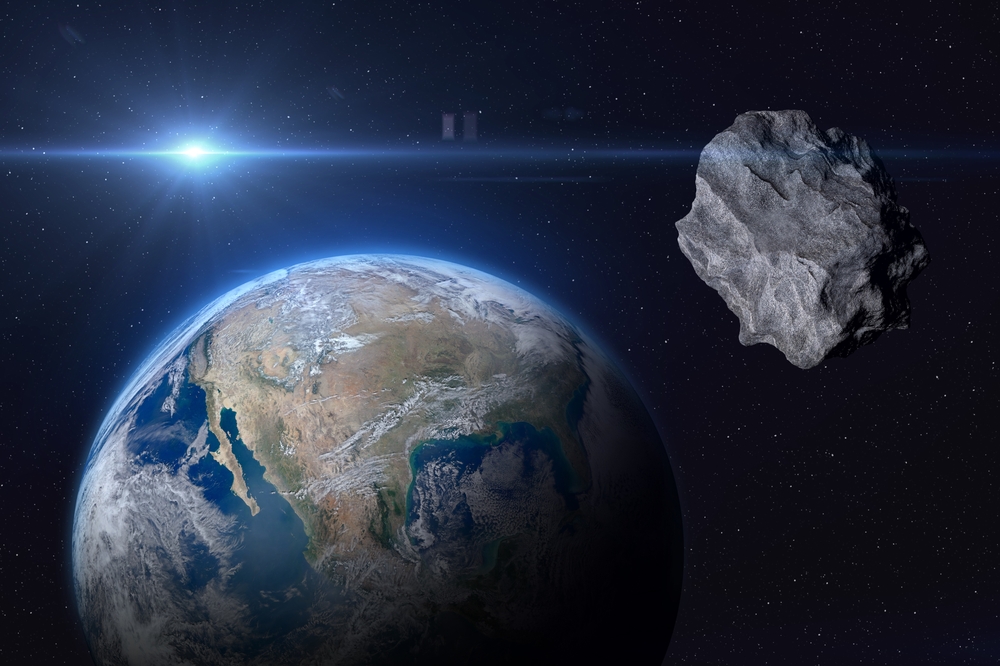
NASA employs a comprehensive approach to detect, track, and assess near-Earth objects (NEOs) like asteroid 2024 XN1, ensuring planetary safety through advanced monitoring systems and collaborative efforts.
One of NASA’s key tools is the Asteroid Terrestrial-impact Last Alert System (ATLAS), a state-of-the-art detection system capable of scanning the entire dark sky every 24 hours for NEOs that could pose a future impact hazard to Earth. Operated by the University of Hawaiʻi’s Institute for Astronomy for NASA’s Planetary Defense Coordination Office (PDCO), ATLAS enhances the ability to detect potential threats well in advance.
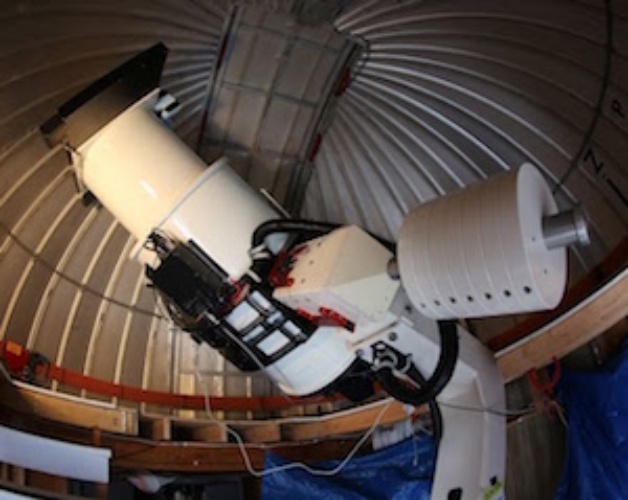
In addition to ATLAS, NASA has developed Sentry, a highly automated collision monitoring system that continually scans the most current asteroid catalog for possibilities of future impact with Earth over the next 100 years. Sentry’s next-generation algorithm, Sentry-II, improves the evaluation of NEA impact probabilities, enabling more accurate risk assessments.
NASA is advancing its monitoring capabilities with the development of the Near-Earth Object Surveyor (NEO Surveyor), a space-based infrared telescope designed to discover and characterize most of the potentially hazardous asteroids larger than 140 meters in diameter. Scheduled for launch in 2027, NEO Surveyor will enhance the detection of asteroids that are difficult to observe with ground-based telescopes, filling a critical gap in humanity’s ability to detect potentially hazardous NEOs.
Beyond detection, NASA has tested methods to alter the trajectory of potentially hazardous asteroids. The Double Asteroid Redirection Test (DART) mission, conducted in 2022, successfully demonstrated the ability to change an asteroid’s motion in space through kinetic impact. This mission marked a significant milestone in planetary defense, showcasing a viable method to protect Earth from future asteroid threats.
Why Does It Matter?
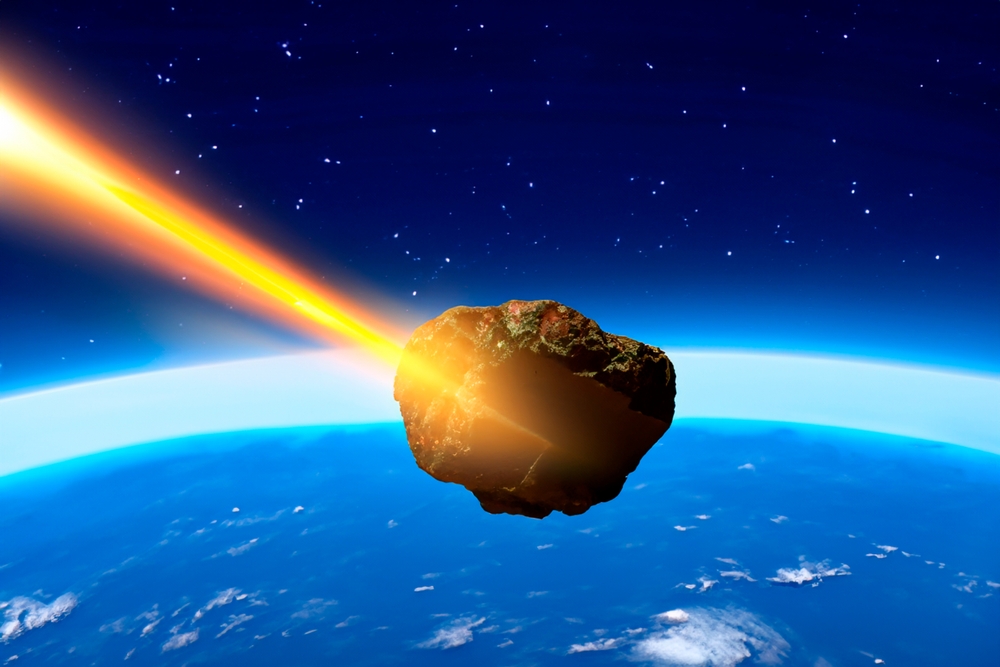
The Christmas Eve asteroid, like others before it, offers us a clear reminder of how expansive the universe is and how Earth is just one piece in a much larger cosmic puzzle. Each time we spot these celestial bodies coming close to our planet, we get a real-time demonstration of the dynamics at play in space. For scientists, these are opportunities to gather crucial data about the asteroid’s path, size, and composition, which are essential for future predictions and potential planetary defense strategies.
Tracking these objects also pushes our technology forward. The need for more precise monitoring equipment encourages innovation and improvement in our observation tools. Plus, these events often require coordination between different countries’ space agencies, helping to strengthen international cooperation in space science.
On a more personal level, the Christmas Eve asteroid makes us think about Earth’s vulnerability in the vast universe. Yet, it also showcases our resilience—our ability to keep an eye on these distant objects shows just how far human ingenuity has come. It’s a powerful example of how, despite the odds, we’ve developed the tools needed to protect our planet.
There’s also something inherently exciting about knowing there’s an asteroid zipping by on Christmas Eve, isn’t it? It’s the kind of event that sparks curiosity and wonder, making us all think a bit more about the stars and planets. For some, it might even spark a deeper interest in space and science, turning eyes upwards to the night sky in awe and perhaps, a bit of contemplation about our place in the cosmos.

