
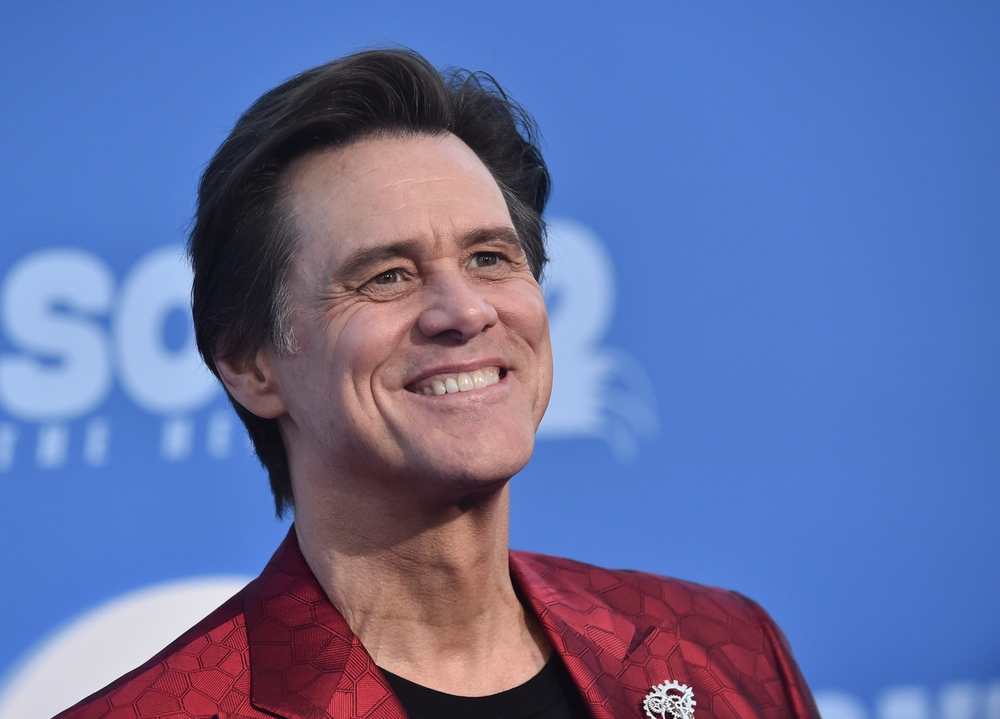
Just when we thought we had seen the last of one of Hollywood’s most iconic comedians on the big screen, Jim Carrey makes a surprising pivot back to acting. Announcing retirement only two years prior, Carrey’s decision to return has sparked curiosity and concern alike. What could drive a star, celebrated for his dynamic roles and substantial earnings, back into the very spotlight he had stepped away from?
The Rise of a Comedy Legend
Jim Carrey’s path to stardom is the stuff of Hollywood legend. His career, which took off in the early 1990s, transformed him from a relatively unknown comedian to a leading figure in Hollywood, thanks to a series of blockbuster roles that highlighted his unique comedic timing and unparalleled ability to embody varied characters.
Carrey’s major breakthrough came with the 1994 hit “Ace Ventura: Pet Detective.” The film’s success launched a pivotal year for Carrey, as it was quickly followed by two more smash hits: “The Mask” and “Dumb and Dumber.” These films not only dominated the box office but also firmly established Carrey as a leading man capable of drawing large audiences and generating significant box office receipts.
As the decade progressed, Carrey’s roles diversified, blending his established comedic genius with elements of drama. Films like “The Truman Show” and “Man on the Moon” allowed Carrey to stretch his acting skills and garner critical acclaim, proving his versatility and earning him a Golden Globe for Best Actor. This period of artistic expansion solidified his place in the cinematic world and underscored his draw as a major box office attraction.
Financially, Carrey’s success translated into some of the highest paychecks in the industry. At the peak of his career, he was one of Hollywood’s highest earners, with salaries reaching over $20 million per movie. This financial prosperity boosted his net worth into the hundreds of millions, making him one of the wealthiest actors of his generation.
Jim Carrey’s Retirement Announcement
In a revelation during a 2022 interview with Access Hollywood about his role in “Sonic the Hedgehog 2,” Jim Carrey announced his “fairly serious” plans to retire from the film industry. At 60 years old, the actor expressed a strong inclination to step away from the limelight, emphasizing that only an extraordinary script could possibly lure him back to the silver screen.

Carrey’s introspection led him to appreciate a quieter, more personal lifestyle, where he found joy in painting and spiritual exploration. “I really like my quiet life, I really love putting paint on canvas, and I really love my spiritual life,” Carrey remarked. “I have enough. I’ve done enough. I am enough,” he added, resonating with a sense of completeness and satisfaction with his career and life achievements.
Reflecting on earlier sentiments from a 2018 interview with The Hollywood Reporter, Carrey’s disenchantment with the film industry had been growing due to its increasing commercialization and loss of creative autonomy, citing “corporations taking over.” His gravitation towards painting provided him with the personal control and artistic freedom he felt was being eroded in Hollywood. This shift was not abrupt but part of a gradual reevaluation of what was truly important to him—creativity without constraints.
Forced Out of Retirement
In a surprising turn of events, Carrey found himself back in the limelight, reprising his role in Sonic the Hedgehog 3. Speaking candidly on the red carpet at the London premiere, Carrey revealed the pragmatic reason behind his return to acting: financial necessity. “I came back to this universe because, first of all, I get to play a genius, which is a bit of a stretch. And, you know, it’s just … I bought a lot of stuff and I need the money, frankly,” he admitted.
Jim Carrey explains his return to playing Dr. Robotnik in "Sonic the Hedgehog 3": "I bought a lot of stuff and I need the money, frankly." pic.twitter.com/pIFJPuAyRM
— AP Entertainment (@APEntertainment) December 10, 2024
The shift in Carrey’s stance about retirement shows the unpredictable nature of show business. The actor later described his earlier statement about retirement as more akin to “power-resting.” Speaking to Comicbook.com, he elaborated, “Because as soon as a good idea comes your way, or a group of people that you really enjoyed working with and stuff, it just — things tend to change.”
Financial pressures were further highlighted by Carrey’s recent real estate activities. In February 2023, he placed his Los Angeles home of 30 years on the market. Originally listed at $29 million, the mansion’s price was later reduced to $19.75 million after nearly two years without a buyer. This move, coupled with his return to acting, paints a picture of a man reassessing his financial stability and making strategic decisions to secure his future.
Jim Carrey’s Lifestyle and Costly Investments
While Carrey did not specify exactly what “stuff” he has been spending on that necessitated his return to acting, his substantial property holdings and penchant for luxury may provide some clues.
Carrey’s real estate ventures, in particular, illustrate his taste for grandeur. The 8,029 square-foot Los Angeles mansion, known for its privacy thanks to an abundance of lush foliage and large trees, included luxurious amenities such as a tennis court and a guest house. Another significant part of his portfolio was his Malibu home, a 2,866 square-foot property with five bedrooms and 5.5 bathrooms, reflecting his affinity for coastal luxury. Carrey sold this property in 2012, perhaps as part of his ongoing real estate strategy.
Beyond real estate, Carrey’s expenditures extend to high-end vehicles and private aviation. He boasts an impressive collection of luxury cars, including a Mercedes-AMG SL63 and a Porsche Panamera, known for their hefty price tags and high performance. The Mercedes, for instance, cost $154,450 and features a powerful V8 engine.
Carrey’s preference for travel in luxury is evident in his ownership of a Gulfstream V jet, a top-tier aircraft that he bought for $59 million. Known for its safety and performance, this jet not only serves Carrey’s personal travels but also brings in revenue through charter services when he is not using it. This investment underscores his inclination towards high-cost assets that offer both personal enjoyment and potential income.
Furthermore, Carrey has a strong interest in art, particularly painting, which has become more than just a hobby. His dedication to painting began as a therapeutic outlet and has since evolved into a significant passion, as revealed in the documentary short “I Needed Color.” This artistic endeavor, while enriching, also hints at substantial spending on art supplies and studio space, contributing further to his financial outlays.
Jim Carrey’s diverse and costly interests—from maintaining multiple luxury properties and vehicles to flying privately and pursuing expensive hobbies—paint a picture of a lifestyle that requires considerable upkeep. This financial reality, coupled with the challenges of liquidating high-value assets like his Brentwood home, likely played a role in his decision to step back into the limelight and secure his financial future.
The Sad, Real Cost of Celebrity Wealth
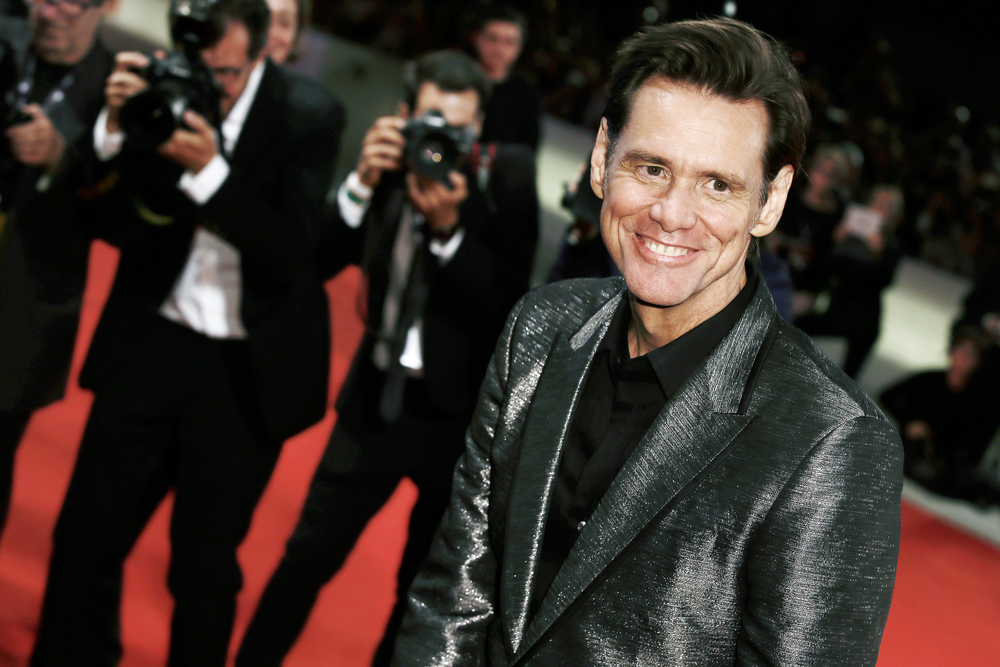
Jim Carrey’s unexpected return to acting because he “needs the money” sheds light on a truth often masked by the glitz of celebrity life: wealth isn’t always as enduring as it seems. While Carrey still enjoys a relatively comfortable lifestyle, his situation sheds light on a broader cautionary tale about the volatility of celebrity wealth.
Having significant wealth also comes with its own set of challenges, especially when it involves high-maintenance assets like luxury real estate and private jets. The maintenance of such assets is not only costly but can also be financially draining if the assets do not appreciate as expected or if they become difficult to liquidate. Carrey’s recent real estate activities, including the necessary price reductions to facilitate sales, exemplify how even the wealthiest individuals can face liquidity crises.
This sad story is particularly resonant in an era where celebrity wealth is often idealized and envied. It’s easy to overlook the immense responsibility and savvy financial management required to maintain such wealth over the long term. Celebrities like Carrey often invest in high-value assets that, while lucrative, demand continuous financial oversight and can pose significant risks if market conditions change or personal circumstances shift.
Moreover, Carrey’s candid acknowledgment of needing more funds is a powerful admission that wealth is not always a constant. It fluctuates and, without careful management and sometimes even with it, can dwindle. This is a vital lesson not just for those in the public eye but for anyone managing substantial assets. The larger the wealth, the greater the effort that must be put into preserving and growing it sustainably.

