
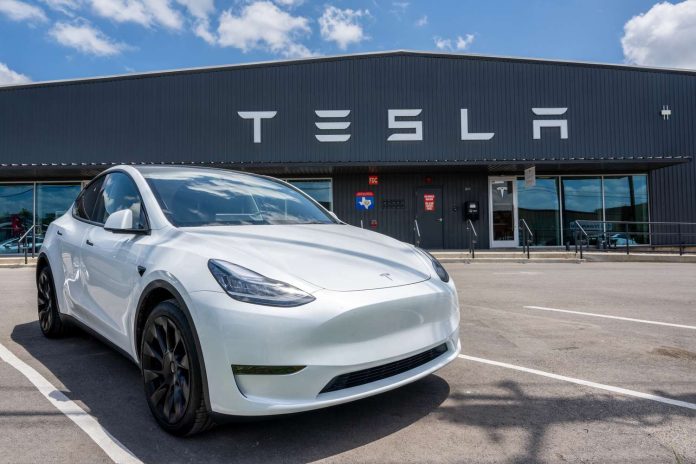
Tesla’s stock value has taken a significant hit, dropping over 9% following a sharp decline in sales across the UK and European Union in January. This downturn pushed the company’s valuation below the $1 trillion mark, a threshold it had maintained since November 2024.
The electric vehicle giant has been contending with increasing competition in the European market, particularly from Chinese automakers and other emerging players. Market analysts have also pointed to controversial public statements and political stances taken by Tesla’s owner, Elon Musk, as factors contributing to the decline in sales.
A Contrasting Market Trend
Interestingly, the broader European electric vehicle (EV) market saw growth during the same period. According to trade body Acea, EV sales in Europe increased by more than a third in January. However, Tesla’s performance sharply contrasted with this trend. Sales in the EU, EFTA, and UK plummeted by over 45%, with the EU alone seeing a decline of more than 50%.
The recent slump follows an already troubling year for Tesla. In 2023, the company recorded its first annual sales decline in over a decade. Slowing demand and intensifying competition have posed significant challenges, forcing the company to navigate a rapidly evolving market.
The Role of Competition
Industry experts believe the growing presence of Chinese manufacturers, particularly BYD, has played a crucial role in Tesla’s declining sales. Unlike many competitors, BYD offers premium features as standard, whereas Tesla and other Western manufacturers often charge extra for similar specifications. This pricing strategy has made BYD an attractive alternative for many European consumers.
While increased competition is a fundamental factor, some analysts have also speculated that Musk’s political statements may be alienating potential buyers. His involvement in controversial issues has sparked debate, leading some customers to reconsider their loyalty to the Tesla brand.

Political Controversy and Consumer Sentiment
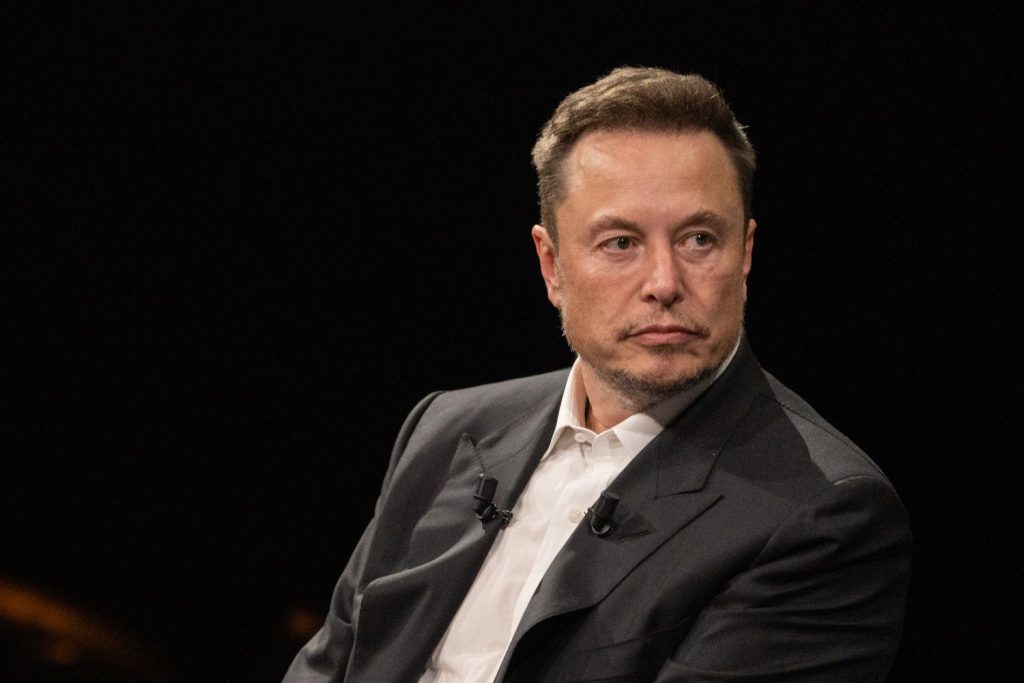
Musk has frequently made headlines for his political positions, which have drawn mixed reactions. In the United States, he has actively pushed for significant cuts to federal development funding, a stance that has not sat well with all stakeholders. Meanwhile, in the UK, he has publicly supported jailed far-right activist Stephen Yaxley-Lennon, also known as Tommy Robinson, and has been critical of Prime Minister Sir Keir Starmer.
His political engagements extend to Germany as well, where he has expressed support for the far-right AfD party. Musk even congratulated the party leader following its strong second-place finish in the elections. These endorsements have sparked backlash, with some consumers reportedly opting to distance themselves from Tesla in response.
Is Musk’s Image a Liability?
Some former Tesla executives believe Musk’s increasingly polarizing public persona is contributing to the company’s struggles. Peter Bardenfleth-Hansen, a former senior director of Tesla’s Europe, Middle East, and Asia division, recently spoke on the matter, acknowledging that Musk’s political affiliations could be hurting sales.
“There’s no doubt that his engagement with far-right politics and his public antics—like wielding a chainsaw on TV—are not helping his image,” Bardenfleth-Hansen stated in an interview with the BBC. “While he may be growing a fanbase within a certain demographic, those individuals are not necessarily the ones purchasing Teslas or investing in the company. This presents a real challenge.”
The Trump Factor and Market Reactions
Tesla shares had previously surged following the U.S. presidential election, largely due to Musk’s close ties to Donald Trump. Musk has even described himself as the “first buddy” to the former president, leading many investors to assume this relationship would benefit Tesla’s future prospects.
However, Trump has openly expressed skepticism about electric vehicles and has vowed to halt government efforts aimed at promoting EV adoption. This stance has created uncertainty around Tesla’s position in a potential Trump administration.
“How anybody thought this would be beneficial for Tesla, I don’t know,” remarked Russ Mould, investment director at AJ Bell. He added that broader market concerns, including uncertainty over interest rate cuts and potential tariff policies under Trump, could also be influencing the decline in Tesla’s stock value.
Looking Ahead
Tesla now finds itself at a crossroads. With competition intensifying and consumer sentiment shifting, the company must navigate both market forces and public perception challenges. Whether Tesla can reclaim its dominant position will depend on how it adapts to evolving consumer preferences, competitive pricing strategies, and its ability to distance itself from external controversies that may be affecting its brand image.
For now, investors remain cautious, watching closely to see how the company responds to these mounting pressures in the months ahead.

