
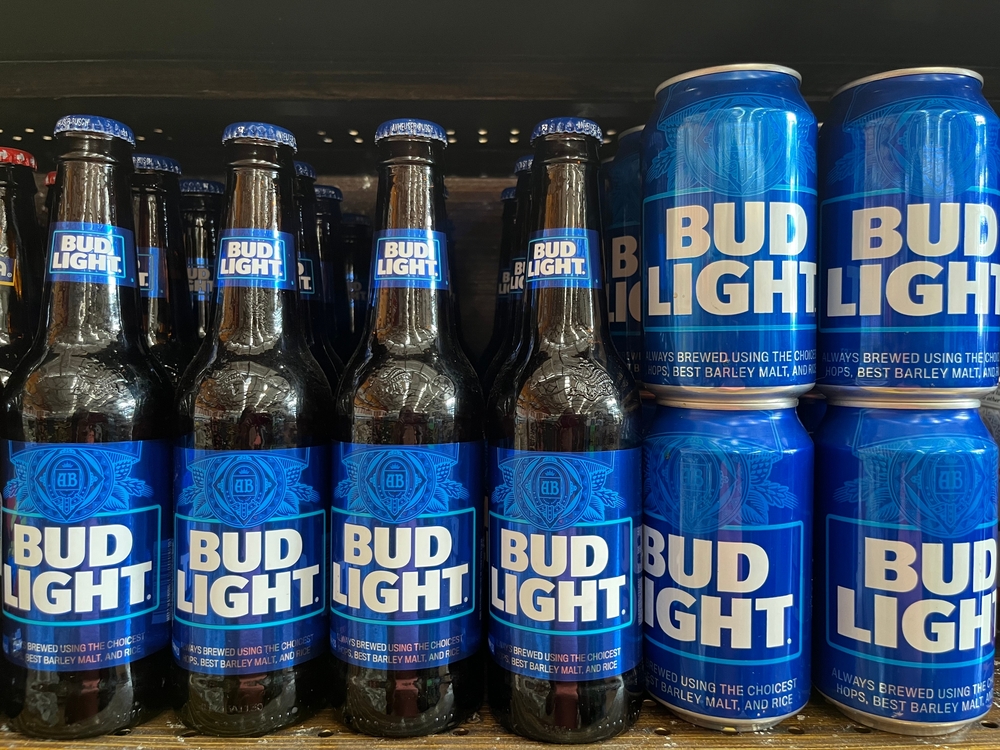
For years, Bud Light has flowed like the lifeblood of America’s bars and restaurants, reigning as the undisputed king of draft beer. It was more than a beverage; it was a cultural staple—a go-to choice for everything from backyard barbecues to sports nights at the local pub. But as taps turn and tastes evolve, a seismic shift is underway.
Could the beer that once dominated American bar tabs be losing its fizz? Recent data suggests just that. Bud Light has been dethroned, and in its place, a new wave of contenders is capturing the nation’s attention, reflecting broader trends in drinking habits and consumer preferences. This isn’t just about a drink; it’s a glimpse into how cultural tides are reshaping the American beer scene.
The Rise and Fall of Bud Light
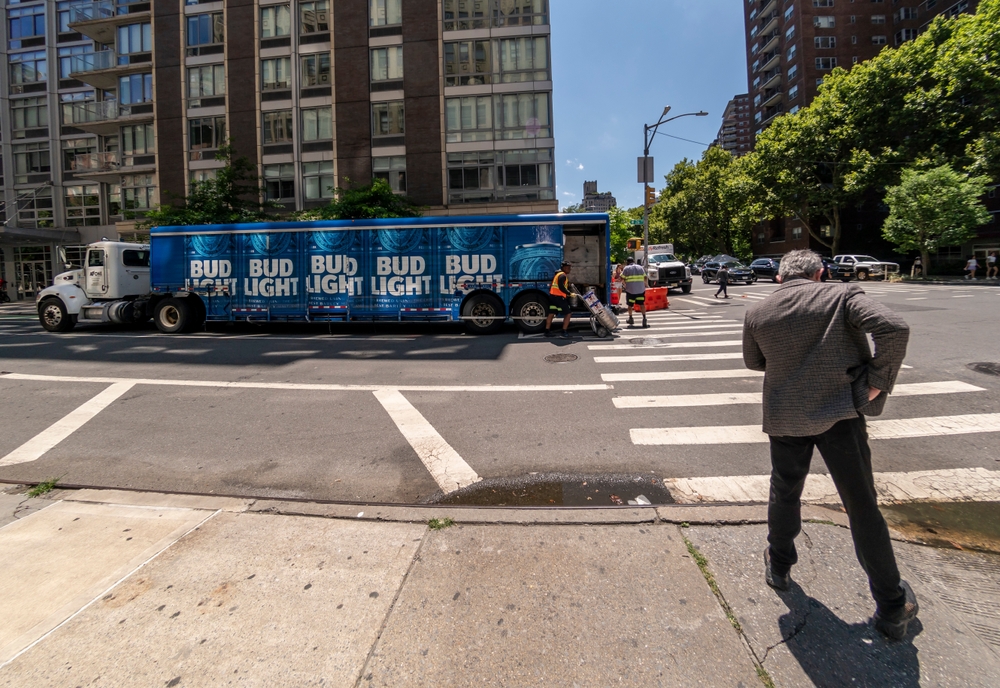
For decades, Bud Light wasn’t just a beer; it was an icon of American culture and a symbol of dominance in the beverage industry. Its light, crisp flavor, combined with aggressive marketing campaigns, positioned it as the top choice for millions of drinkers. From backyard barbecues to stadium tailgates and late-night pub crawls, Bud Light was a near-ubiquitous presence, flowing freely from taps across the nation. Its status as the best-selling draft beer became almost second nature, a reflection of its stronghold on the preferences of the American consumer.
However, every empire faces its challenges, and Bud Light’s reign at the top has encountered a seismic shift. Recent data reveals that Bud Light has officially lost its title as the most popular beer on tap. This decline is more than a mere blip on the radar—it marks a significant turning point for a brand that seemed to have an unshakable grip on the market. For years, Bud Light enjoyed its position as the quintessential draft beer, a reliable favorite among casual drinkers and partygoers. Yet, its fall suggests that the tides of consumer loyalty have begun to shift.
The implications of Bud Light’s declining draft sales extend far beyond the brand itself. While the beer continues to hold a strong position in the packaged beer market, its slip in draft popularity reflects broader changes in the industry. The decline highlights a growing divergence in consumer behavior, where novelty, flavor, and niche branding often outweigh legacy status. Once the universal crowd-pleaser, Bud Light now finds itself grappling with a landscape where preferences are no longer as predictable or uniform as they once were.
Who’s on Top Now?
As Bud Light’s grip on draft beer supremacy loosens, the natural question arises: who has taken its place? Data suggests that the new frontrunner is Michelob Ultra, another offering from the same parent company, Anheuser-Busch. Known for its low-calorie, low-carb profile, Michelob Ultra has rapidly gained favor among health-conscious drinkers looking for a lighter option without compromising on flavor. This shift underscores a broader trend in the beer market, where drinkers are increasingly prioritizing wellness and lifestyle compatibility when choosing their beverages.

Michelob Ultra’s rise isn’t just about consumer preferences—it’s also bolstered by strategic partnerships that amplify its brand visibility. “Our organizations share a long history of championing athletes and celebrating Team USA everywhere they compete. The addition of Michelob ULTRA to our team signifies more than a partnership; it’s an alliance supporting our athletes as they push beyond boundaries in the competitive world of sports,” said Sarah Hirshland, CEO, U.S. Olympic & Paralympic Committee. “Together, we aim to shape a vibrant future for the global sports landscape, fueled by our shared dedication and passion.” This alignment with sports and wellness further solidifies Michelob Ultra’s position as the beer of choice for an active, modern lifestyle.
But Michelob Ultra isn’t the only competitor siphoning off Bud Light’s loyal base. The rise of local craft beers and premium lagers has played a pivotal role in reshaping the draft beer landscape. Today’s drinkers are more adventurous and discerning, seeking unique flavors and stories behind their pints. Craft beers, with their creative brews and artisanal appeal, have captured the imagination of consumers who once gravitated toward mass-market lagers like Bud Light. This has created a fragmented market where no single beer dominates the way Bud Light once did.
What’s even more telling is the gradual erosion of trust in big-name brands, especially among younger generations. Millennials and Gen Z consumers are gravitating toward authenticity and innovation, values that smaller breweries are often better equipped to deliver. The dethroning of Bud Light speaks to a changing ethos in the beer industry—one where the battle is no longer just about price and availability but also about identity and experience. Michelob Ultra may wear the crown for now, but the evolving tastes of beer enthusiasts suggest that no throne is ever truly secure.
The Cultural Context of Beer Preferences
Bud Light’s dethroning isn’t just a matter of changing sales figures—it’s a reflection of broader cultural shifts in how Americans approach beer and social drinking. For decades, a pint of Bud Light was synonymous with carefree gatherings, game-day rituals, and a sense of familiarity. Yet, in an era defined by individuality and niche appeal, consumers are no longer content with the one-size-fits-all approach that brands like Bud Light represent.
One of the most significant factors driving this shift is generational. Millennials and Gen Z consumers are redefining the beer market by prioritizing flavor diversity, artisanal quality, and sustainability. Unlike previous generations, who often gravitated toward well-established, widely available brands, younger drinkers seek beers that tell a story—whether it’s a locally brewed IPA or a limited-edition seasonal lager. This focus on individuality and authenticity aligns with broader trends in how these generations approach food, fashion, and even entertainment, where personalization reigns supreme.
Health consciousness also plays a pivotal role in the changing beer landscape. Beers like Michelob Ultra and other low-calorie options have surged in popularity as drinkers increasingly factor in health and wellness. The rise of “better-for-you” alcoholic beverages, including hard seltzers and low-alcohol beers, reflects a cultural pivot toward moderation and mindful consumption. As drinkers become more selective, they’re less likely to opt for a legacy brand like Bud Light, which may feel out of sync with their evolving values.
The Cultural Context of Beer Preferences
Bud Light’s dethroning isn’t just a matter of changing sales figures—it’s a reflection of broader cultural shifts in how Americans approach beer and social drinking. For decades, a pint of Bud Light was synonymous with carefree gatherings, game-day rituals, and a sense of familiarity. Yet, in an era defined by individuality and niche appeal, consumers are no longer content with the one-size-fits-all approach that brands like Bud Light represent.
One of the most significant factors driving this shift is generational. Millennials and Gen Z consumers are redefining the beer market by prioritizing flavor diversity, artisanal quality, and sustainability. Unlike previous generations, who often gravitated toward well-established, widely available brands, younger drinkers seek beers that tell a story—whether it’s a locally brewed IPA or a limited-edition seasonal lager. This focus on individuality and authenticity aligns with broader trends in how these generations approach food, fashion, and even entertainment, where personalization reigns supreme.
Health consciousness also plays a pivotal role in the changing beer landscape. Beers like Michelob Ultra and other low-calorie options have surged in popularity as drinkers increasingly factor in health and wellness. The rise of “better-for-you” alcoholic beverages, including hard seltzers and low-alcohol beers, reflects a cultural pivot toward moderation and mindful consumption. As drinkers become more selective, they’re less likely to opt for a legacy brand like Bud Light, which may feel out of sync with their evolving values.
Draft vs. Packaged Beer Trends
While Bud Light’s decline as the top draft beer is notable, it’s important to place this shift within the broader context of draft versus packaged beer trends. The way consumers approach beer consumption has evolved, with preferences varying significantly depending on whether they’re ordering a pint at the bar or picking up a six-pack at the store.
Draft beer, often viewed as a more experiential choice, has been heavily influenced by the rise of craft breweries and regional taprooms. When consumers step into a bar or restaurant, they’re increasingly looking for novelty—beers they can’t easily find on store shelves. This demand for variety has led to an explosion of rotating taps featuring seasonal and locally brewed options, leaving legacy brands like Bud Light struggling to compete in a space where uniqueness trumps familiarity.
On the other hand, Bud Light continues to hold a strong position in the packaged beer market, where convenience and affordability remain key factors. Cans and bottles are staples for at-home gatherings, tailgates, and casual consumption, areas where Bud Light’s branding and accessibility still resonate. However, even in this arena, competition from hard seltzers, canned cocktails, and low-calorie beers has started to chip away at Bud Light’s dominance.
The divergence between draft and packaged beer trends highlights a key challenge for large-scale brands: the need to adapt to different consumer priorities across contexts. While Bud Light may still occupy grocery store shelves, its waning presence on taplines signals a deeper struggle to stay relevant in an era where the beer-drinking experience is as much about discovery as it is about the drink itself.
What This Means for the Beer Industry
Bud Light’s slip from the top draft beer spot is more than just a story about one brand—it’s a wake-up call for the entire beer industry. For decades, large-scale brewers like Anheuser-Busch dominated the market with a formula that prioritized mass production, consistency, and broad appeal. But today’s consumers are demanding something different: an experience that feels personal, intentional, and aligned with their values.
The rise of challengers like Michelob Ultra and the increasing popularity of craft beers signal a seismic shift in how beer brands must approach their audiences. Health-conscious drinkers now lean toward low-calorie and low-carb options, while adventurous consumers seek out unique flavors and the stories behind small-batch brews. This new landscape presents both challenges and opportunities for major brewers. On one hand, legacy brands risk losing relevance if they fail to innovate; on the other, those willing to adapt can tap into emerging trends and redefine their place in the market.
For distributors and bar owners, the shift has also brought about a rethink of their strategies. Where once it was safe to dedicate tap space to a handful of mass-market brands, today’s bar menus increasingly reflect a diverse range of options. Rotating taps, local collaborations, and seasonal releases have become the norm, creating a more dynamic and competitive environment.
Bud Light’s dethroning underscores a deeper truth about the beer industry: consumer loyalty can no longer be taken for granted. As preferences evolve and competition intensifies, brands must find new ways to connect with drinkers—whether through innovative products, authentic marketing, or embracing the cultural currents that shape what and how we drink.

