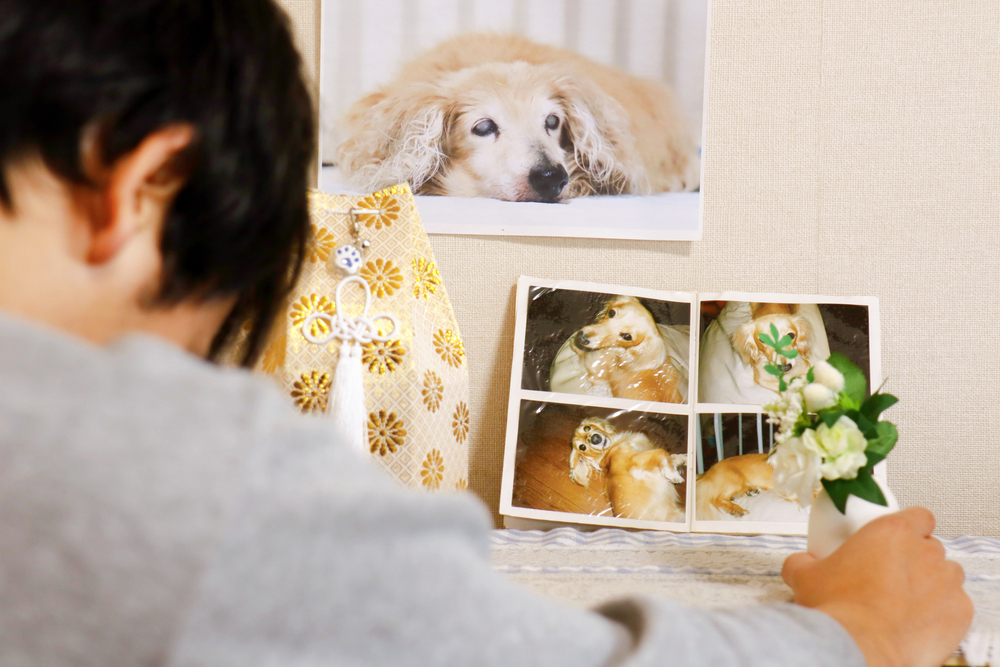
Pets hold a special place in our lives, often becoming as cherished as any family member. Yet, when we face the heartbreak of losing these beloved companions, the depth of our grief is frequently underestimated and misunderstood, not only by those around us but also by some professionals who guide us through our darkest times. Why is the death of a pet often not taken as seriously as the loss of a human?
The Psychological Impact of Pet Loss
The grief experienced after the loss of a pet is profound and often mirrors the emotional intensity associated with losing a human loved one. This grief is characterized by deep sadness, loneliness, and sometimes even depression. Researchers emphasize the importance of recognizing the strength of the human-animal bond, which can significantly impact an individual’s mental and emotional well-being. The bond with a pet is not merely emotional but also psychologically stabilizing, providing companionship, unconditional love, and a sense of purpose.
When a pet passes away, the owner may experience a range of intense emotions that can affect their psychological health. This type of grief, often referred to as disenfranchised grief, lacks societal recognition and validation, leaving individuals to cope with their loss in isolation. This lack of acknowledgment can complicate the grieving process, making it harder for pet owners to seek and receive support. Studies have shown that pet owners often turn to their pets for emotional support more frequently than to family or friends, highlighting the significant role pets play in their lives.
In therapy, recognizing the validity of grief associated with pet loss is crucial. Counselors and therapists are encouraged to treat pet bereavement with the same seriousness as the loss of a human. This approach not only validates the client’s feelings but also opens pathways for healing and recovery. Therapeutic interventions might include talking through the loss, creating memorials, or expressing feelings through art, which helps in acknowledging and processing the grief.
Moreover, societal attitudes towards pet loss are slowly evolving, with increasing recognition of the deep emotional bonds formed between humans and animals. This shift highlights the need for mental health professionals to develop strategies and interventions specifically tailored to help individuals cope with pet loss effectively.
Role of Counselors in Pet Bereavement

Counselors play a crucial role in supporting individuals through the grieving process of losing a pet, a role that requires sensitivity and recognition of the deep emotional impact involved. The grief experienced from pet loss can be as intense and profound as the loss of a human, which necessitates a specialized approach in counseling practice.

Counselors are tasked with understanding the unique bond between pets and their owners and recognizing that the loss can lead to significant emotional distress. It is essential for mental health professionals to validate these feelings rather than minimize them. Validation helps individuals feel understood and supported, which is a critical component in the healing process.
Effective counseling for pet bereavement might include creating a space where individuals can express their grief without judgment. This could involve discussing the pet’s role in their life, memories, and the feelings of emptiness that might follow the pet’s death. Therapists can use various interventions such as grief counseling techniques tailored specifically for pet loss, which may not be covered extensively in traditional grief counseling settings.
There is also a need for increased awareness and education among counselors regarding the significance of pet loss. Training programs and continuing education courses should include modules that focus on the psychological effects of losing a pet and strategies for providing effective support.
Incorporating the recognition of pet loss into therapeutic practices can significantly aid in normalizing these feelings and fostering a better coping environment. Counselors can guide clients in finding or forming support groups specifically for pet bereavement, which can provide additional communal support and decrease feelings of isolation.
Strategies for Counseling Pet Loss
Effective counseling strategies for pet loss involve recognizing the unique grief that comes with the death of a pet and providing support that acknowledges this significant emotional loss. Here are some tailored approaches that counselors can use to support grieving pet owners:
1. Validation of Grief
Counselors should begin by validating the client’s grief, affirming that their feelings of loss are both real and significant. Acknowledging the depth of the bond between the client and their pet helps to legitimize the grief process and can facilitate healing.
2. Educational Support
Providing educational materials that discuss pet loss and its impact can be incredibly helpful. Counselors can offer resources that explain the stages of grief specific to pet loss, which helps normalize the feelings that pet owners experience.
3. Therapeutic Techniques
Specific therapeutic techniques can be effective, including:
- Memory Boxes: Creating a physical box filled with mementos of the pet, such as collars, toys, and photos, can help clients process their grief by celebrating the life of their pet.
- Writing Letters: Encouraging clients to write letters to their deceased pets can facilitate expressing unresolved feelings and foster a sense of closure.
- Narrative Therapy: This involves helping clients tell their story of the pet’s life and death, which can aid in contextualizing the loss and its impact on their life.
4. Group Therapy
Group therapy sessions with other individuals who have experienced pet loss can provide a support network that helps diminish feelings of isolation. Sharing experiences with others who understand the unique nature of pet loss can be incredibly validating and healing.
5. Incorporate Rituals
Supporting clients in creating rituals to honor their pet’s memory can be therapeutic. Whether it’s a small ceremony, planting a tree, or creating an online memorial, these acts can help in the grieving process.
6. Support for Decision-Making
Counselors can also play a crucial role in helping pet owners make difficult decisions towards the end of a pet’s life, such as euthanasia. Providing a space to discuss these choices and the emotions surrounding them can be crucial.

Challenges in the Current Counseling Approach
The current approach to counseling for pet bereavement faces several challenges that can impede effective support for individuals experiencing the loss of a pet.
- Lack of Standardized Training: One significant challenge is the lack of standardized training and resources for counselors on how to handle pet loss effectively. While grief counseling is a well-established field, specific strategies and programs focusing on pet bereavement are not commonly included in standard counseling curricula. This gap can leave counselors unprepared to address the unique aspects of grief associated with pet loss.
- Societal Underrecognition: Another challenge is the societal underrecognition of pet loss as a legitimate form of grief. This societal stance can influence how professionals approach pet bereavement, potentially leading to minimized responses to such losses. When the grief over a pet is not seen as valid by society, it can create a barrier for those seeking help, as they may feel their emotions are not justified or understood.
- Psychological Complexities: The emotional complexities associated with pet loss also pose a challenge for counseling. Unlike human relationships, the bond with a pet is often devoid of the conflicts and complexities that characterize human interactions, which can make the grief feel more profound and unalloyed. Counselors need to navigate these deep emotional territories while acknowledging the purity and intensity of the bond, which might not be addressed in general grief counseling protocols.
- Need for Specialized Approaches: The counseling field needs more specialized approaches that recognize the significant emotional impact of pet loss and the necessity for targeted therapeutic interventions. Effective grief counseling for pet loss should include elements such as validation of the client’s feelings, exploration of the pet’s role in the client’s life, and assistance with developing new coping mechanisms.
A Call to Recognize Pet Loss in Counseling
As we navigate the complexities of human emotions, the loss of a pet presents a significant, yet often overlooked, challenge. Counselors play a crucial role in addressing this unique form of grief, fostering an environment where pet owners feel validated and supported. The death of a pet can trigger profound grief that is every bit as intense as the loss of a human loved one, yet societal recognition remains insufficient. This article underscores the importance of developing specialized training for counselors, enhancing therapeutic approaches, and promoting societal acknowledgment of pet bereavement.
Integrating tailored counseling strategies, such as validation of grief, educational support, and therapeutic techniques, can significantly aid in the healing process. Moreover, the formation of support groups and the encouragement of commemorative rituals can offer additional comfort and community support to those in mourning.
Recognizing pet loss as a serious bereavement issue not only legitimizes the deep emotional bonds formed between humans and their pets but also advances the field of mental health to encompass all forms of familial loss. It is time for counseling practices to evolve and adapt, ensuring that every individual receives the empathetic support they need during times of profound loss.