

The role of fatherhood is transforming in ways that were once unimaginable. This generation of dads is leading a quiet but impactful shift in how parenting is approached, redefining norms that had long been entrenched. Millennial fathers, in particular, are challenging stereotypes, stepping into roles traditionally seen as a mother’s domain, and reshaping family dynamics in the process.
Recent studies reveal fascinating insights into the time and effort millennial dads devote to parenting, raising questions about what’s driving this change and its broader implications. What’s driving this cultural shift? And how is it shaping the next generation?
Redefining Fatherhood in the Millennial Era
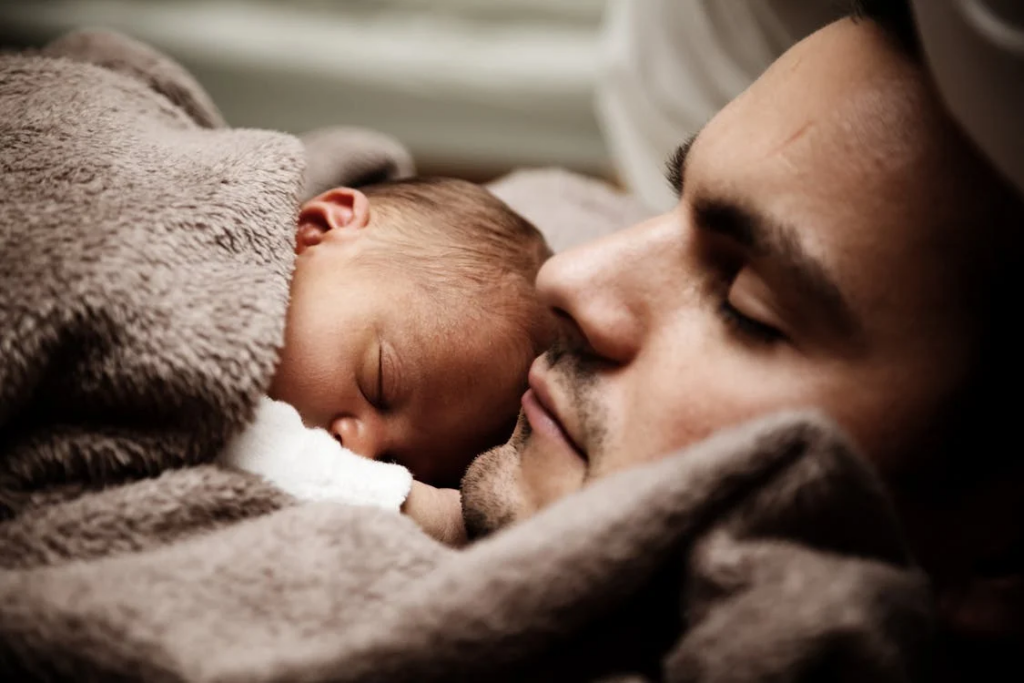
Fatherhood today looks remarkably different from what it was just a few decades ago. Modern dads are rejecting traditional roles, stepping into parenting with a level of involvement that challenges outdated stereotypes. According to research, millennial dads spend three times as much time with their children as fathers did in 1965, a statistic that underscores this seismic shift. This level of hands-on parenting reflects a cultural move toward more egalitarian family structures, where both parents actively contribute to childcare and household responsibilities.
Millennial fathers also see parenting as a central part of their identity. A Pew Research Center study revealed that 57% of millennial dads consider being a parent an essential component of who they are—nearly matching the 58% of mothers who feel the same way. This prioritization of fatherhood highlights a commitment to breaking free from the norms of previous generations, where parenting duties often defaulted to mothers.
Millennial Dads’ Commitment to Hands-On Parenting
This generational shift isn’t limited to attitudes; it’s evident in actions. The increase in time spent with children is perhaps the most visible manifestation of this change. Millennial dads are not just attending parent-teacher meetings or showing up for sports practices—they are actively engaging in daily caregiving tasks like bathing, feeding, and helping with homework. The numbers don’t lie: research from the Pew Research Center shows fathers today devote an average of 8 hours per week to childcare, compared to just 2.5 hours in the mid-1960s.
These fathers are setting a new precedent, showing that parenting is not about fulfilling a single role but about being a dynamic, ever-present influence in their children’s lives. The shift is creating ripple effects, shaping how children perceive family roles and equality in the home.

Work-Life Balance: Enabling Hands-On Fatherhood
Such involvement isn’t just about quantity but also about quality. Millennial dads are not only present but engaged, taking on tasks such as nighttime feedings, school drop-offs, and weekend activities. This shift isn’t a passing trend but rather a deepening commitment to active, hands-on parenting that benefits both children and families as a whole.
The rise of remote work and flexible hours has made it easier for millennial fathers to spend more time with their children. According to data from the U.S. Census Bureau, 12.5% of employees worked remotely in 2023, up from 5.7% in 2019. This increased flexibility allows fathers to take a more active role in the day-to-day care of their kids, whether it’s attending school events or handling nighttime routines.
However, it’s important to recognize that not all fathers have access to this flexibility. Many still face challenges balancing demanding work schedules with parenting responsibilities. For millennial dads, creating a work-life balance remains a priority, but broader systemic changes in workplace culture are necessary to make this a reality for all fathers.
A Partnership Approach to Parenting

Millennial dads are completely rethinking the rules of parenting. Gone are the days when dads were expected to stick to the role of the provider while moms did the bulk of the caregiving. Today, millennial fathers are actively sharing the load, diving into everything from late-night feedings to helping with homework, and they’re doing it with a level of involvement that wasn’t typical for their own fathers.
This shift isn’t just changing individual families; it’s reshaping what we consider “normal.” More dads are embracing the idea that parenting isn’t just mom’s responsibility—it’s a partnership. And this partnership doesn’t just make life easier for moms; it strengthens the father-child bond in ways that simply weren’t possible before. When both parents contribute equally to childcare and household duties, the result is a more balanced and emotionally healthy family dynamic.
Breaking Down Traditional Gender Roles
The involvement of millennial dads in everyday childcare poses a challenge to the societal expectations that once confined men to the role of distant breadwinners. These fathers are redefining masculinity by embracing vulnerability and emotional engagement with their children. They’re showing that being a “good dad” isn’t just about providing financially, but about being an active, nurturing presence in their children’s lives.
The influence of public figures, including high-profile dads like The Rock and John Legend, has played a pivotal role in normalizing this approach to fatherhood. Their open sharing of fatherhood moments on social media has sparked conversations about what it means to be a modern dad, breaking down long-held stereotypes about masculinity. By doing so, they’re helping to redefine what it means to be a father in the 21st century.
The Importance of Paid Paternity Leave
One of the most significant ways millennial dads are making a difference in parenting is by advocating for, and actively utilizing, paternity leave. Research from Iceland has shown that fathers who take at least two weeks of paternity leave form stronger, long-term bonds with their children. While this is a well-established fact in many parts of the world, it’s a concept that was largely overlooked by previous generations of fathers—especially in places like the United States, where paid parental leave is not a legal requirement.
For millennial dads, paternity leave is a crucial part of being an involved parent. In fact, 83% of millennial fathers have said they would seek out employers with strong parental leave policies, according to a survey by Ernst & Young. This indicates a cultural shift in how work and family life are balanced, as dads push for the same parental leave benefits that have long been available to mothers.
Despite this cultural shift, many fathers still face significant obstacles when it comes to fully utilizing paternity leave. With the U.S. being the only developed nation without paid parental leave, the struggle for equal access to time off remains a real challenge for many families. Even when companies offer paternity leave, it’s often not enough, and the stigma that surrounds men taking time off to care for their children still lingers in some workplaces.
Mental Health and Fatherhood

Millennial dads, despite being more involved than ever, often experience Dad-Guilt—the struggle to balance work, personal aspirations, and active parenting. A 2017 Pew Research study found that 50% of fathers expressed a desire to spend more time with their children but felt hindered by work commitments. This reflects the ongoing challenge of balancing professional success with the evolving expectations of fatherhood, leaving many dads feeling torn between their career and family roles.
However, the benefits of being emotionally engaged with their children are clear. Research from the American Psychological Association (APA) shows that fathers who are more involved in their children’s lives experience stronger father-child bonds, which positively impacts their mental health. Additionally, a survey by the Thriving Center of Psychology revealed that 55% of millennials and Gen Z have sought therapy, with 90% supporting the idea that more people should attend therapy. This openness is helping to dismantle the stigma around male mental health and paving the way for fathers to address their emotional needs, ultimately benefiting the entire family.
Millennial Dads Paving the Way for Change
Millennial dads are undeniably reshaping the landscape of fatherhood. Their commitment to spending more time with their children, challenging traditional gender roles, and advocating for better paternity leave policies marks a profound shift in family dynamics. While barriers to equal parenting remain—such as workplace culture and the lingering effects of outdated stereotypes—millennial fathers are leading the charge for a more equitable and involved approach to parenting.
This generational shift not only benefits individual families but also sets the stage for a broader cultural change, where fatherhood is seen as equally vital to a child’s well-being as motherhood. As millennial dads continue to redefine what it means to be a father, their influence will undoubtedly echo through future generations, fostering stronger families and more balanced societal expectations. The journey toward equality in parenting is far from over, but millennial dads are laying the groundwork for lasting change.
Sources:

